How to Build a Wardrobe Color Palette
4 min read
Wdrobe

A wardrobe palette comes out of the clothes you already wear most, not out of a color theory chart.
Your most-worn clothes hand you the neutrals, but not the colors to wear near your face. Those follow your coloring, which the Wdrobe app's color analysis judges from a face photo. Find the near-face colors for your palette.
What a palette is for
Decide what the palette should fix: outfits that do not connect, or purchases that do not fit in. Your most-worn clothes are the starting evidence.
Work from the outfits you wear rather than the ones you admire. A palette should describe your wardrobe before it prescribes anything.
Five steps from your own clothes
1. Identify the three neutrals already repeated in your most-worn outfits
The three neutrals already repeating in your most-worn outfits are your base, whether you chose them or not. Look at the last month of outfits, not at the clothes you bought with intentions.
2. Choose near-face colors by comparing real fabric in consistent daylight
Judge near-face colors against real fabric in daylight, because screens and shop lighting both lie. Hold the fabric under a window, because shop lighting flatters almost everything.
A palette is only useful if it describes what you already own. Choosing one in the abstract is how people end up with clothes that match nothing. Start from your actual wardrobe.
3. Add one or two accents that connect to accessories and occasion pieces
One or two accents, picked to connect with accessories you own rather than with each other. An accent that matches nothing you own becomes the piece you never wear.
4. Test every proposed color beside several garments you already own
Hold every proposed color against several garments you already have before committing to it. If it works beside three garments you already have, it belongs in the palette.
5. Record useful combinations without treating the palette as a prohibition
Write down the combinations that worked and treat the palette as a guide, not a ban. A palette that forbids things gets abandoned; one that describes what works gets used.
Check it against a month of outfits
After a month, see whether the palette matched what you wore. If you kept reaching outside it, the palette is wrong rather than you.
If a connecting color is missing, name where it is needed: something that bridges the navy and the brown.
Frequently asked questions
How do you build a wardrobe color palette?
Choose two neutrals as the base, one supporting neutral, and two accent colors. Everything you buy should work with at least one neutral, which is what makes a wardrobe combine without planning.
How many colors should a wardrobe have?
Around five works for most people: two dominant neutrals, one secondary neutral and two accents. Fewer becomes monotonous; more and the pieces stop combining reliably.
What are the best neutral colors for a wardrobe?
Navy, chocolate brown, cream, grey, black and camel. Pick two that suit your coloring and stay with them, mixing every neutral is what leaves a wardrobe full of clothes that do not go together.
A palette on paper is easy. Matching it to the clothes already hanging up is the part that takes an evening. Sort your wardrobe by colour and see which palette you are already halfway to.
← All articles
Take Wdrobe with you
Enjoyed the read? Get the full virtual try-on experience — download Wdrobe on the App Store or Google Play.
Related articles
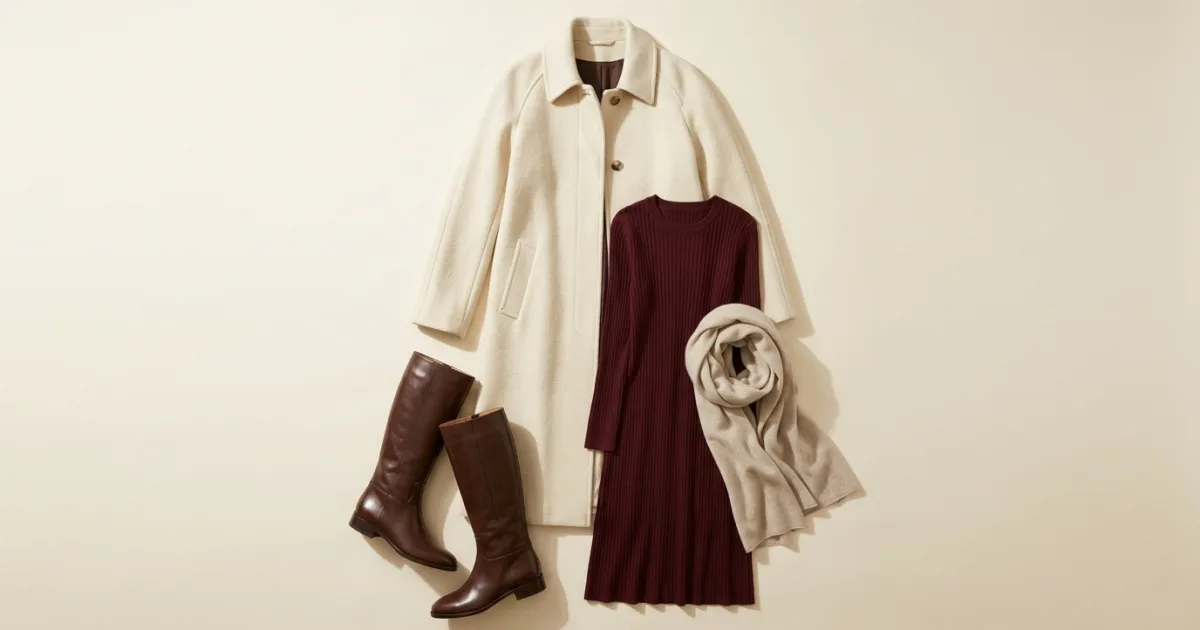
A Christmas market is four hours of standing still outdoors. Here is what to wear for it, and which colours survive the lighting.
Read Article
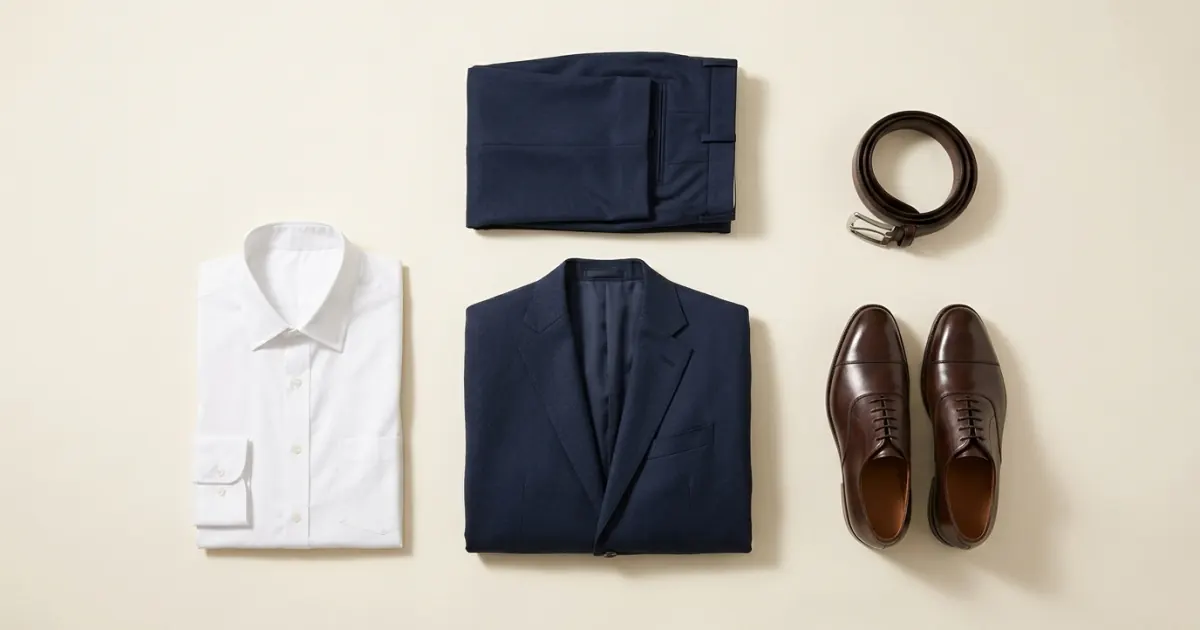
Seven shoe colours for a navy suit, from dark brown oxfords to white trainers, with the matching belt and socks and what to wear for business, interviews and weddings.
Read Article
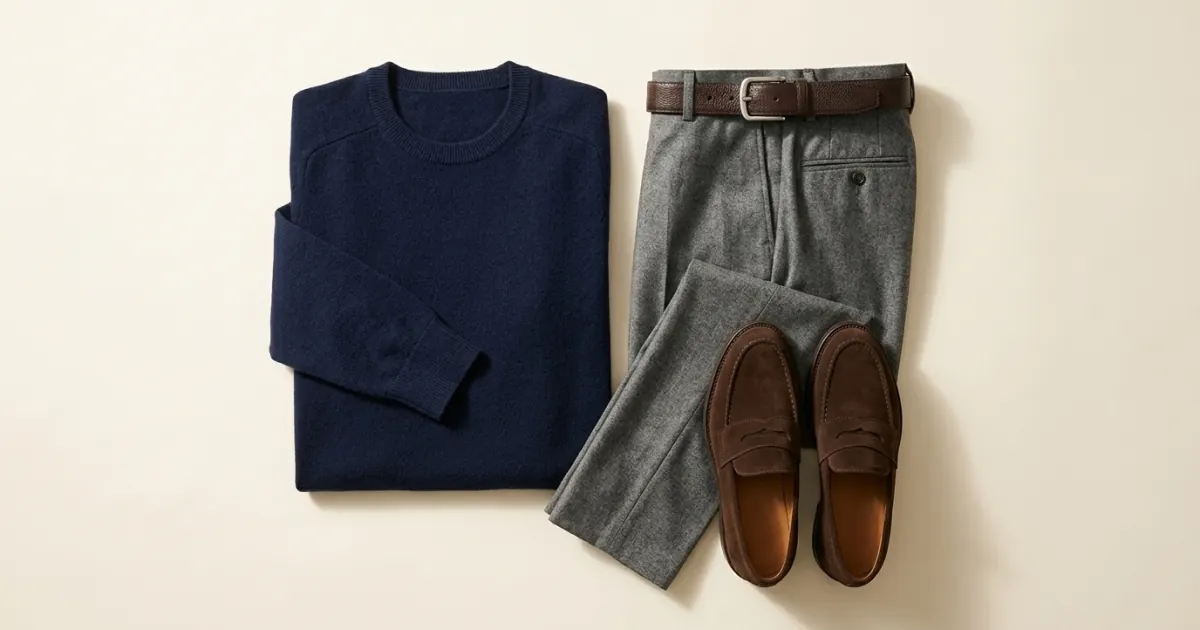
Twelve men's outfits across casual, smart casual and tailored dressing, each naming the top, trousers and shoes, plus how to match belts and socks and how many colours to wear.
Read Article