How to Do a Closet Inventory That You Will Use
4 min read
Wdrobe

A closet inventory is a count, not a clear-out: what you own, what fits, what needs repair, and which gaps keep appearing. The five steps below keep it to one session.
The pieces a count turns up from the back of the rail are the hardest ones to dress. Once they are in the Wdrobe app, its stylist can work them into outfits with everything else: find an outfit for the rediscovered cardigan.
What the inventory is for
Decide what you want to learn: duplicates, repairs, or genuine gaps. Time is the binding constraint, so pick one question.
Count one category properly rather than everything badly. Trousers alone will usually reveal the pattern.
Five steps, one session
1. Count by garment category without judging or decluttering at the same time
Count, do not judge. Deciding what to keep while counting turns a twenty-minute job into an afternoon. Trousers, tops, knitwear, outerwear, shoes, with a number written against each.
2. Mark what fits, what needs repair, and what is temporarily out of season
Three marks are enough: fits, needs repair, out of season. The repair pile is usually smaller than you feared and the duplicate pile larger.
An inventory in a notebook gets written once and never opened. One you can see is the one you use on a Tuesday morning. Keep the inventory somewhere useful.
3. Photograph the pieces that are easy to forget or difficult to combine
Photograph the pieces you forget you own, which are usually the ones furthest back. The forgotten pieces are almost always the ones that need an outfit built for them.
4. Record repeated colors, silhouettes, and genuine wardrobe gaps
Note the colors and shapes that repeat, because that is your actual taste rather than your intended one. Five black tops and no mid-weight layer is a sentence worth writing down.
5. Turn the inventory into outfit tests and a short evidence-based wishlist
Finish by building two outfits from what the count surfaced, which turns a list into something you can use. Two outfits built from forgotten pieces justifies the whole exercise.
What the count told you
Read the list back and look for repeats. Four near-identical black tops is a finding, and so is having no mid-weight layer.
Where the count shows a gap, write the function and the outfits it would complete before naming anything to buy.
Frequently asked questions
How do you do a closet inventory?
Photograph each item against a plain background, group them by category, and note anything that needs repair or does not fit. Working in categories rather than by rail is what keeps it from taking a whole weekend.
How long does a closet inventory take?
About half an hour for 40 to 60 core pieces. Trying to catalog everything you own is what turns it into a multi-day project most people abandon partway through.
Do you need to inventory every item?
No. Start with what you wear most and the pieces you never know what to do with, those two groups produce nearly all the useful outfits, and the rest can wait.
An inventory on paper goes stale within a month. One you can see and search stays useful. Make the list something you use on a Tuesday to turn the count into something you will still refer to next season.
← All articles
Take Wdrobe with you
Enjoyed the read? Get the full virtual try-on experience — download Wdrobe on the App Store or Google Play.
Related articles
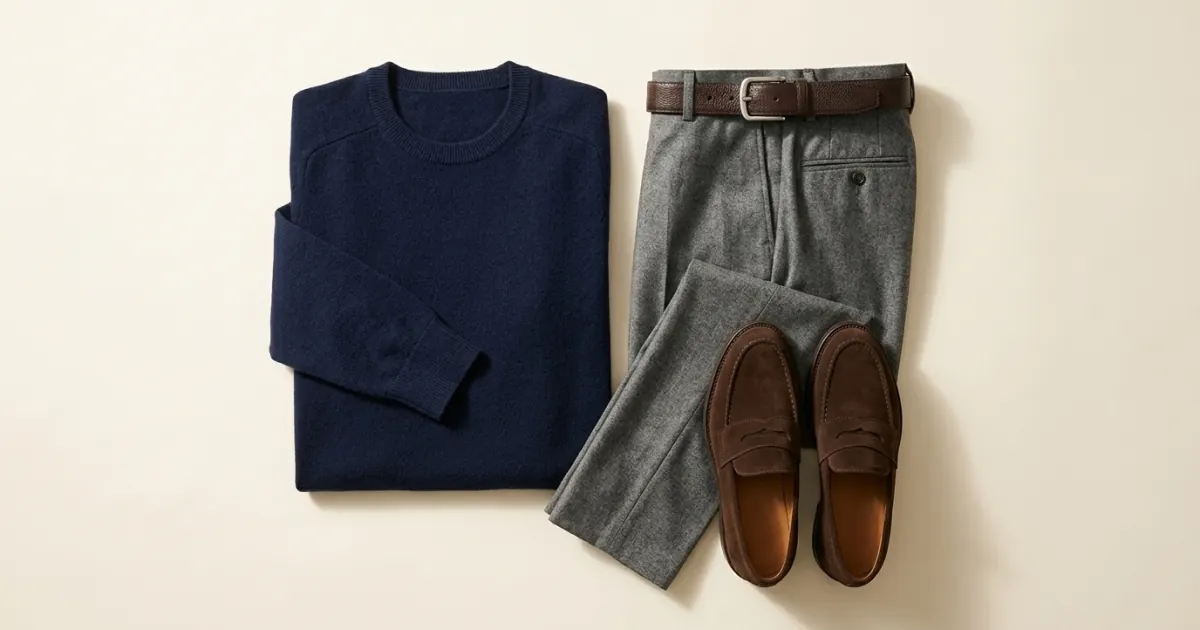
Twelve men's outfits across casual, smart casual and tailored dressing, each naming the top, trousers and shoes, plus how to match belts and socks and how many colours to wear.
Read Article
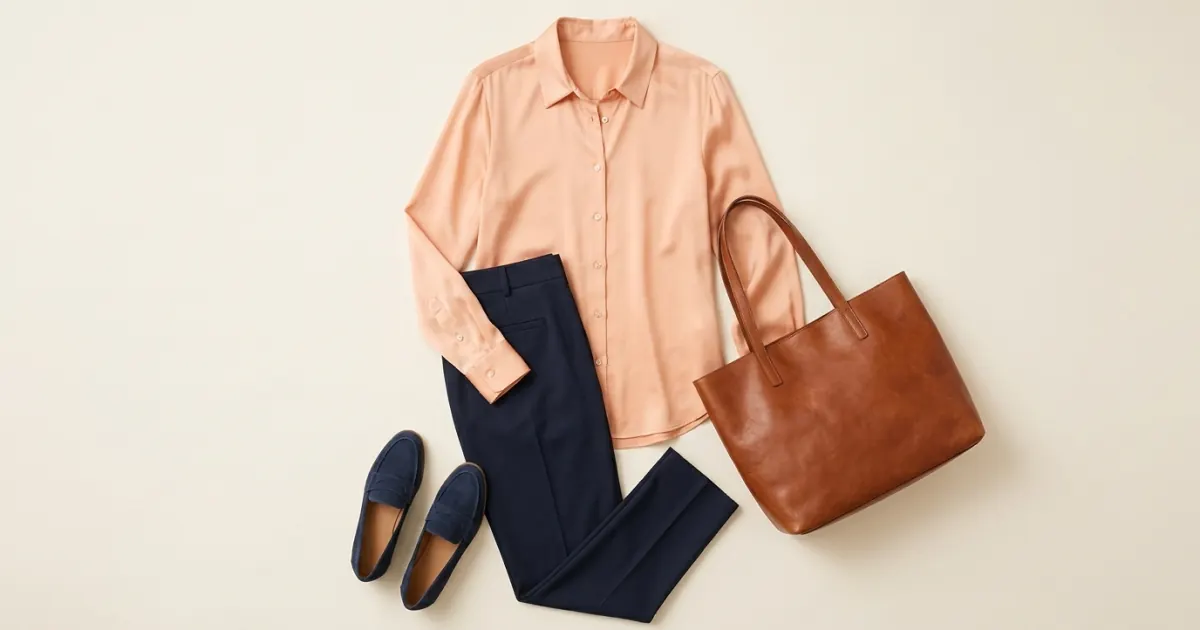
Ten outfit pairings for peach clothes from spring to evening, with the shoes, bags and metals that suit a pale warm colour and the mistakes that make it blur.
Read Article

Silver is a cool metal, so it sharpens rather than warms. Here is what it sits beside and the pairing that quietly fails.
Read Article