How to Organize a Small Closet
4 min read
Wdrobe
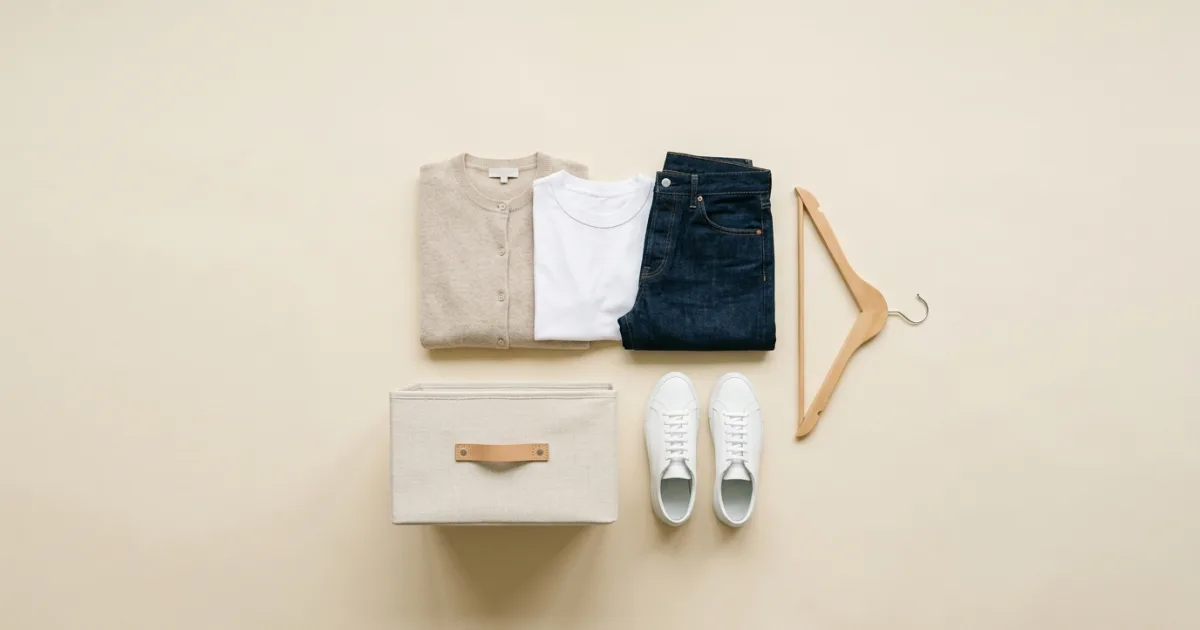
A small closet works when whatever you are wearing this fortnight sits at the easiest reach and everything else moves back. The five steps below get you there without buying storage.
Deciding which clothes count as this fortnight's is the step most people guess at. Wdrobe is our app, and its outfit planner lets you lay out the next two weeks, then move only those pieces to chest height.
What a small closet has to get right
Decide what is failing: nothing visible, nothing reachable, or nothing that stays folded. Rail length and shelf depth are the limits you cannot argue with.
Fix one zone rather than emptying the whole closet. If the easiest shelf holds up for a fortnight, apply the same logic upward.
Five steps, easiest reach first
1. Reserve the easiest reach for clothes worn during the current two weeks
Whatever you are wearing this fortnight goes at chest height and arm's length; everything else can be harder to get to. In practice that is one rail section and one shelf, and everything else can sit behind or above it.
2. Group by garment type and then by length so open space becomes visible
Shirts with shirts, trousers with trousers, then shortest to longest, which is what makes the empty space visible. Grouping by length creates a block of empty space under the shorter items, which is where boxes or shoes go.
In a small wardrobe, half your clothes are out of sight at any time. Forgetting them is what makes a full rail feel like nothing to wear. See the packed-away half too.
3. Fold stable knits and denim while hanging pieces that wrinkle or drape
Knitwear and denim stack without harm; anything that creases or drapes needs a hanger. Jeans and jumpers stack four or five deep without creasing; linen and silk do not.
4. Give bags, shoes, belts, and laundry fixed homes with clear limits
Bags, shoes, belts and laundry each need one place with a fixed limit, or they spread. One basket for laundry and one shelf for bags, and when either is full something has to leave.
5. Move occasion and off-season pieces elsewhere only when retrieval stays easy
Occasion and off-season pieces can live elsewhere, provided you can still retrieve them in under a minute. Under the bed or on a high shelf is fine; the loft is not, because you will not go up there.
Check it in two weeks
After two weeks, see what migrated back to the floor or the chair. Those pieces need a closer home, not more discipline.
If storage is genuinely missing, name the job: somewhere for bags that keeps their shape. That is specific enough to solve, unlike more space.
Frequently asked questions
How do you organize a small closet?
Store off-season items elsewhere, hang by category then by color, and use the full height of the space. The main gain in a small closet is being able to see everything, not fitting more in.
What should you not hang in a small closet?
Knitwear, which stretches on hangers, and anything you wear rarely. Folding knits and storing occasion pieces elsewhere frees hanging space for the clothes you actually reach for.
How do you fit more clothes into a small closet?
Slim hangers, a second rail under short garments, and shelf dividers add real capacity. Beyond that the answer is usually owning less rather than storing better.
When storage is tight, the pieces at the back are effectively gone, which is how small wardrobes end up feeling smaller than they are. Stop forgetting what is out of sight to keep everything visible on screen even when it is not visible on the rail.
← All articles
Take Wdrobe with you
Enjoyed the read? Get the full virtual try-on experience — download Wdrobe on the App Store or Google Play.
Related articles
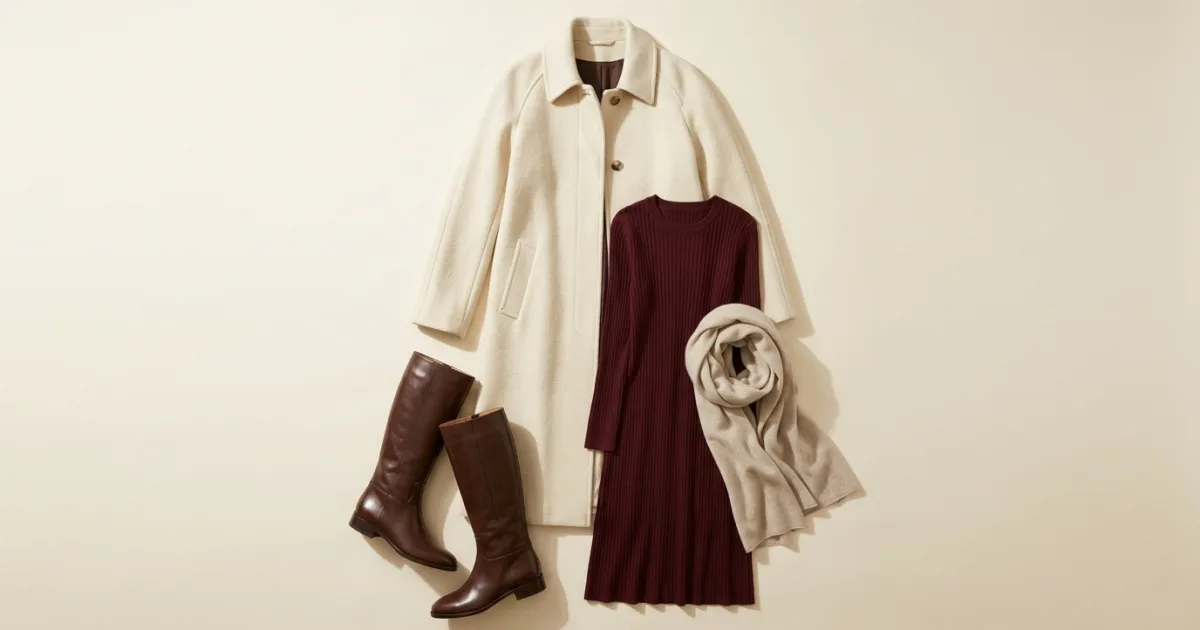
A Christmas market is four hours of standing still outdoors. Here is what to wear for it, and which colours survive the lighting.
Read Article
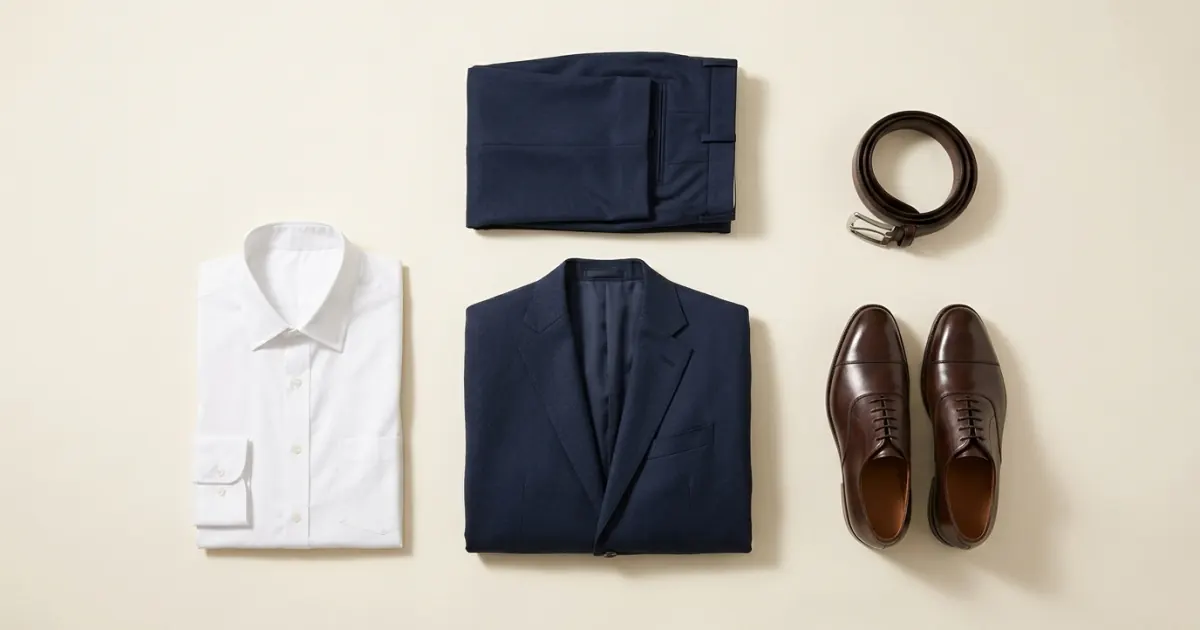
Seven shoe colours for a navy suit, from dark brown oxfords to white trainers, with the matching belt and socks and what to wear for business, interviews and weddings.
Read Article
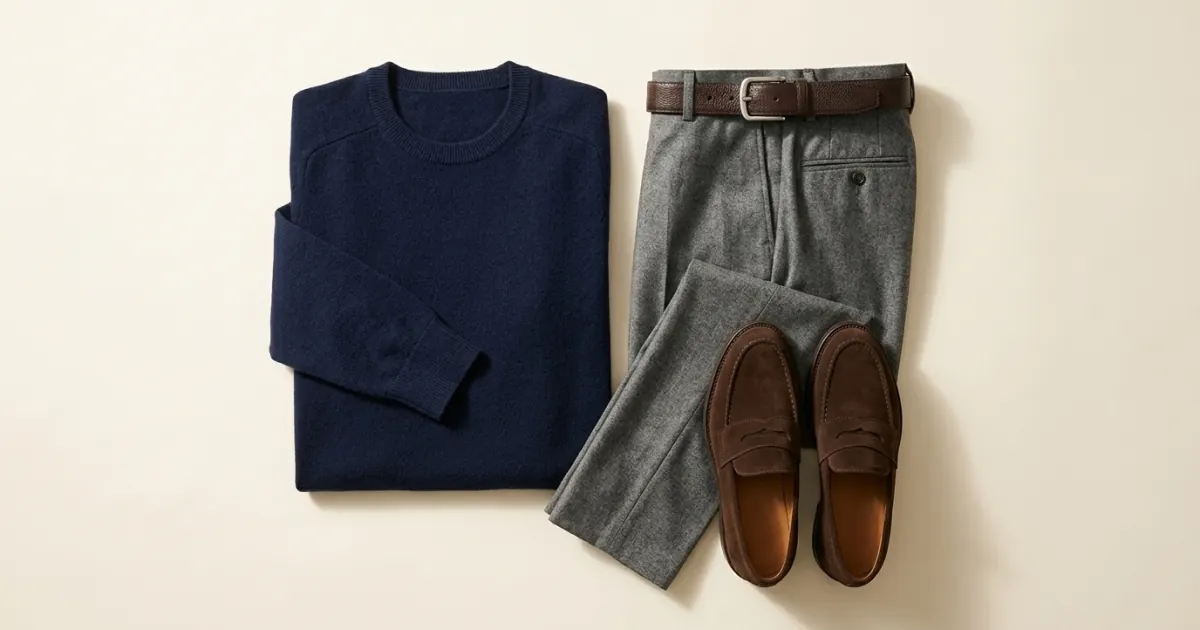
Twelve men's outfits across casual, smart casual and tailored dressing, each naming the top, trousers and shoes, plus how to match belts and socks and how many colours to wear.
Read Article