
Impulse buying stops when there is a deliberate pause between wanting something and owning it.
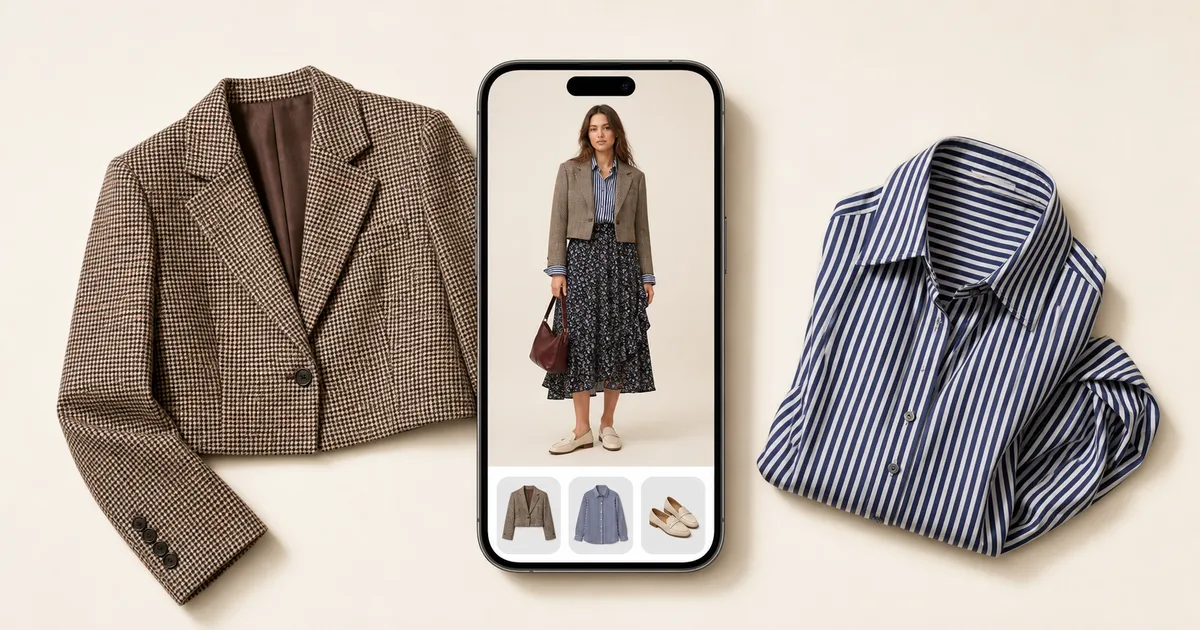
One way to use the pause is to see the item on yourself rather than on a model. In our app, Wdrobe, you can put a screenshot of it on a photo of you before deciding.
What you are actually trying to interrupt
Work out when it happens: late evenings, one particular app, a specific mood. The trigger is more useful to know than the total spent.
Target one trigger rather than resolving your whole relationship with shopping. One interrupted habit is evidence the method works.
Five steps that create a pause
1. Identify the situations, emotions, and channels that trigger unplanned browsing
Name the situation, the feeling and the channel, because the three usually arrive together. For most people it is one app, after nine in the evening, when something else has gone badly.
2. Move appealing items to a dated list instead of a checkout basket
A dated list holds the item without buying it, and most things lose their pull within two weeks. Note the date you added it, because the date is what makes the pattern visible a month later.
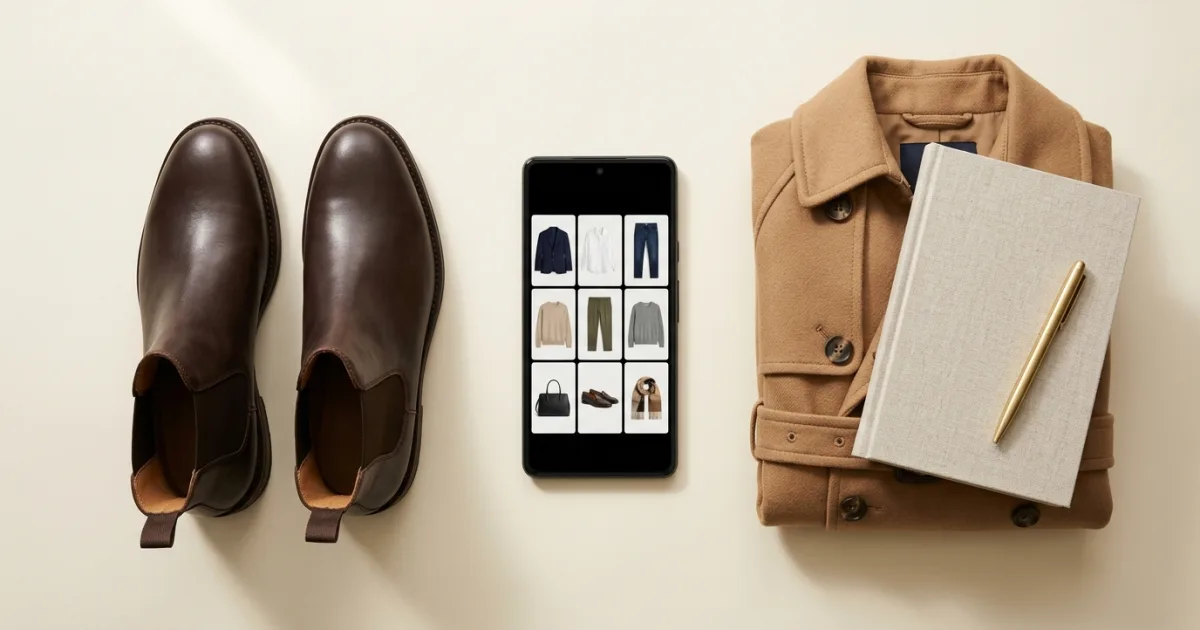
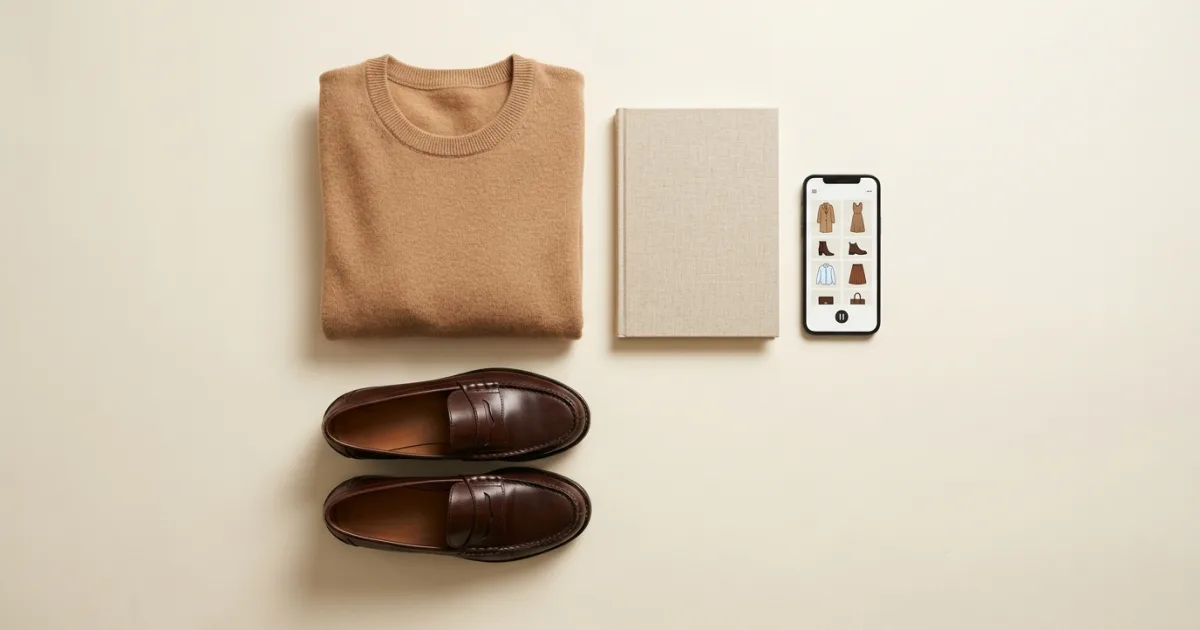
An impulse buy survives about thirty seconds of comparison with what you own. The trick is having that to hand in the shop. Keep your wardrobe in your pocket.
3. Compare each item with your palette, proportions, care tolerance, and calendar
Check it against your palette, your proportions, how much care you tolerate and what your calendar actually looks like. A dry-clean-only piece in a week with no spare time is a purchase that will not get worn.
4. Build three outfits with owned pieces before treating compatibility as proven
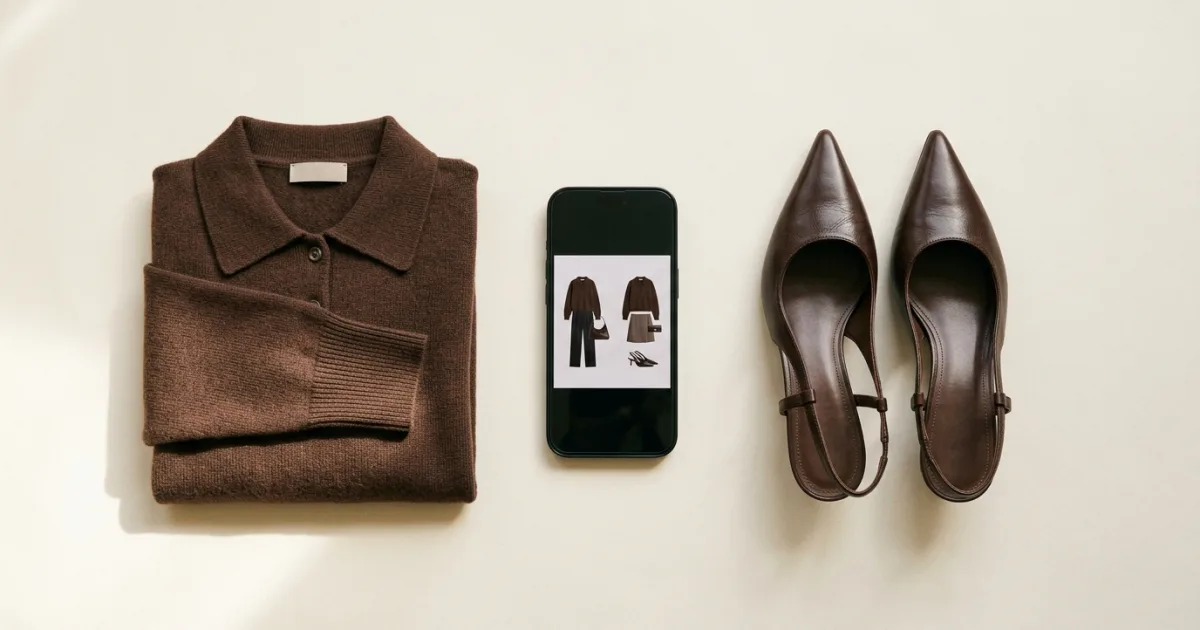
If you cannot build three outfits from clothes you own, the compatibility is imagined. If two of the three outfits need something you do not own, the real count is one.
5. Use a waiting period and a clear return plan for the purchases that survive
Set a waiting period and know the return terms before ordering anything that survives it. Fourteen days and a known return window removes most of the risk from whatever survives.
Count what you did not buy
After a month, look at the dated list. Items that still appeal were real wants; the rest were the moment, which is the point of keeping the list.
Where a genuine gap remains, write the function and the outfits it would complete, then look for that specifically instead of browsing.
Frequently asked questions
How do you stop impulse clothes shopping?
Put a fixed delay between wanting and buying, 48 hours is enough for most purchases. Add the item to a list instead of a basket, and check whether you still want it when the delay expires.
Why do I keep buying clothes I do not wear?
Because the purchase solves a mood rather than a wardrobe gap. Items bought while bored, stressed or scrolling rarely connect to anything you own, which is what makes them unwearable later.
Does unsubscribing from brand emails help?
Substantially. Most impulse purchases start with a prompt rather than a need, and removing the prompt removes the purchase without requiring any willpower.
The pause that stops an impulse buy works best when you can check the piece against your wardrobe on the spot. Do that in the changing room rather than after it has arrived.