
The best way to layer clothes for fall without looking bulky is to give every piece one job: a breathable base, a light insulating layer, and weather-ready outerwear. Thin fabrics should sit closest to the body, while the roomiest piece goes on top. This creates warmth you can adjust as temperatures change without crowding your silhouette.
Fall weather can swing within one week, so the number of layers changes day to day. We make Wdrobe, an app whose planner shows each day's forecast as you set out the week's layers in advance.
Build a Simple Three-Layer Outfit
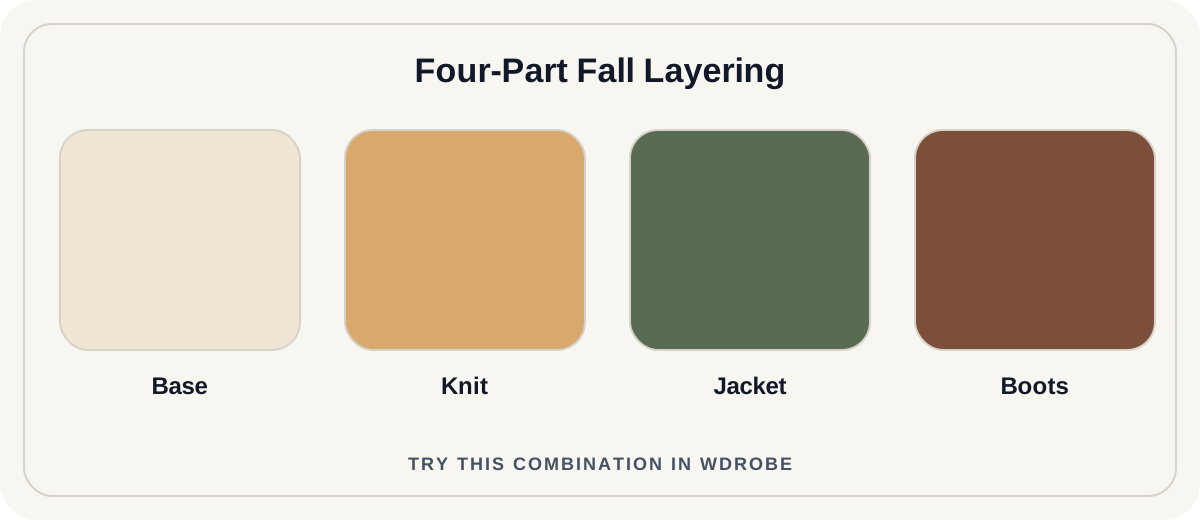
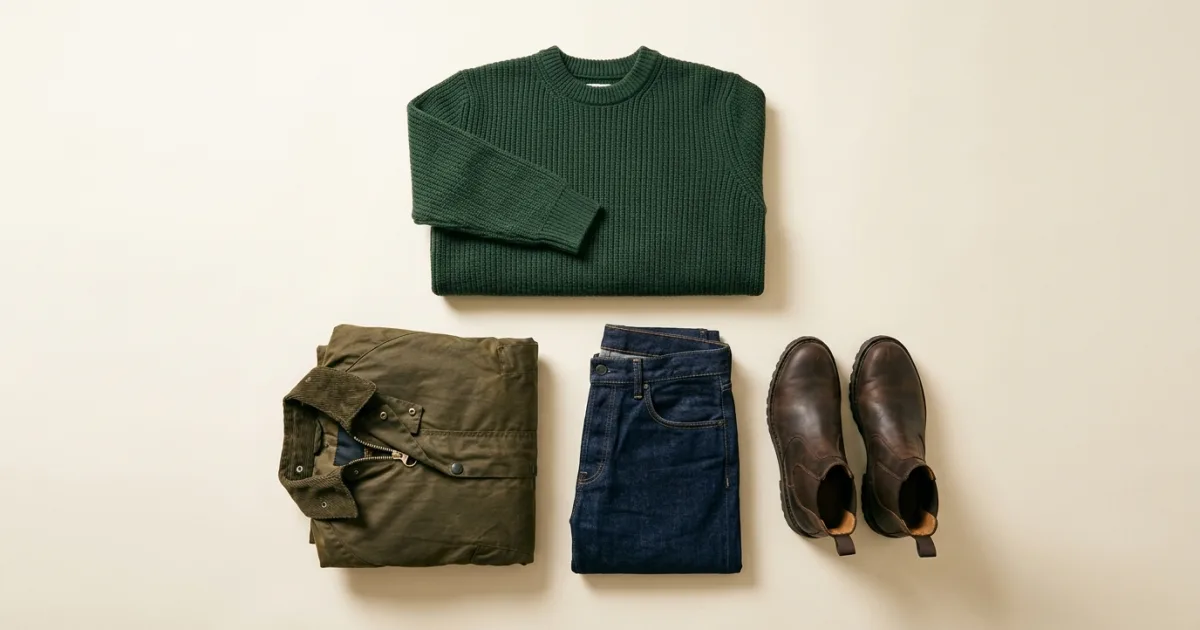
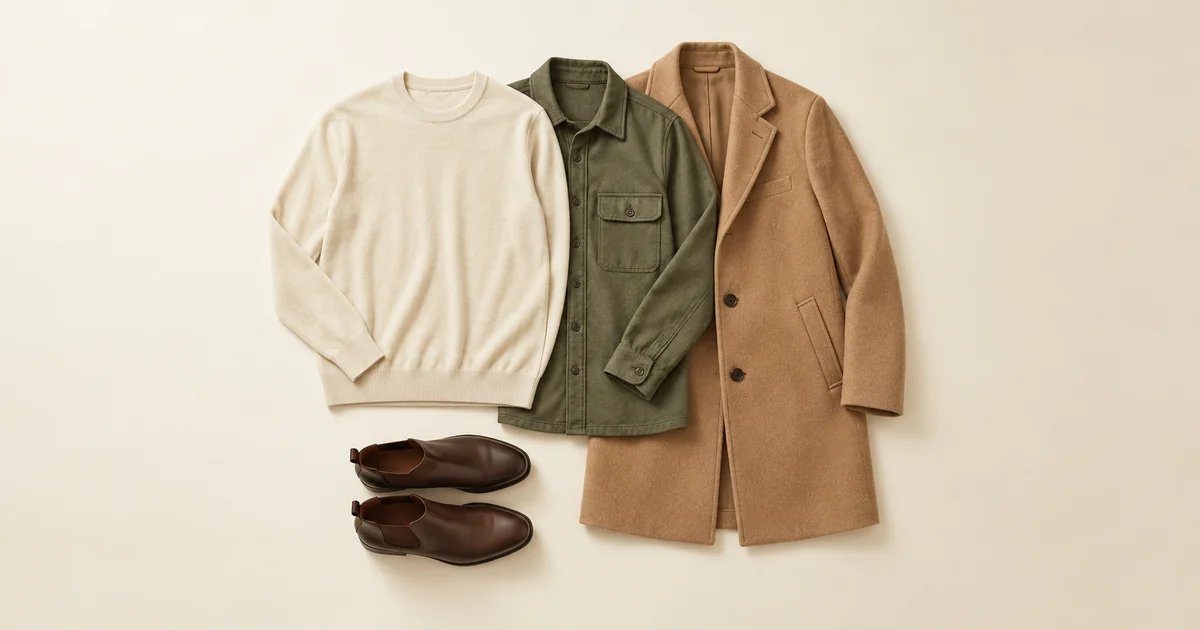
Start with a fitted T-shirt, fine turtleneck, or light button-down. Add a cardigan, sweater vest, overshirt, or fine-gauge knit for warmth. Finish with a trench, blazer, denim jacket, quilted jacket, or coat suited to the forecast.
You may not need all three layers. A shirt and cardigan can cover a mild afternoon, while a coat makes the same outfit useful after sunset. Check both the temperature and your schedule: a long commute outdoors needs a different solution from a mostly indoor day.
Reduce Bulk at the Shoulders
Thick sleeves, stiff seams, and tight armholes cause most uncomfortable layering. If a jacket is tailored or close-fitting, wear a smooth base and fine mid-layer beneath it. Save chunky sweaters for coats with generous sleeves and shoulders.
Sleeveless pieces are helpful because they warm the torso without adding fabric at the arms. Try a sweater vest over a shirt or a slim quilted vest under a roomy coat. Test the complete outfit by sitting, reaching, and lifting your arms. Pulling or bunching is a sign to remove a layer or choose a lighter fabric.
Three layers that each work alone can still look bulky together. That only shows once they are on. See the three as one outfit.
Balance Proportions and Color
Choose where the outfit will have volume. Pair an oversized knit and long coat with straight jeans or tapered trousers. If you prefer wide-leg trousers or a full midi skirt, use a closer base layer and a cropped or waist-length jacket. Showing a cuff, collar, or shirt hem helps separate the layers visually.
A limited palette also keeps layered outfits cohesive. Try cream, chocolate, and burgundy; gray, black, and forest green; or navy, camel, and rust. For more ideas around a rich accent, see these burgundy outfit color combinations. Mix textures, such as smooth cotton, ribbed knit, and brushed outerwear, when the colors are similar.
Four Low-Bulk Fall Outfit Formulas
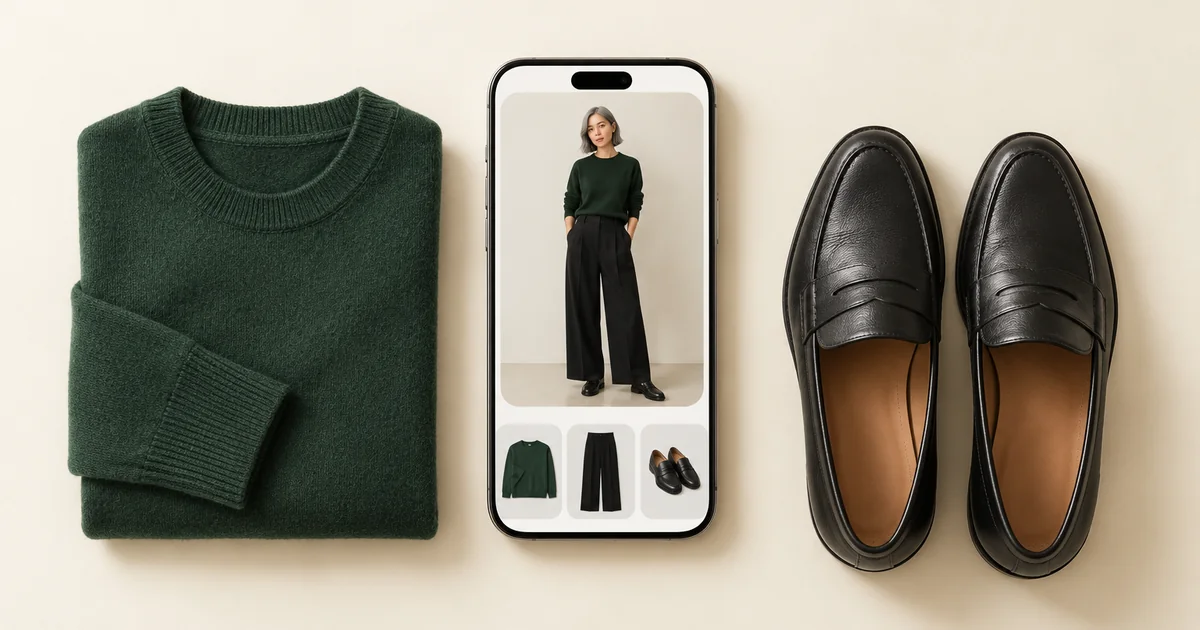
- Work: Fine turtleneck + unlined blazer + tailored trousers + loafers.
- Weekend: Cotton tee + open overshirt + straight jeans + sneakers.
- Rainy day: Breathable long-sleeve top + thin zip knit + water-resistant jacket + boots.
- Skirt look: Fitted knit + sweater vest + midi skirt + tall boots.
A white button-down can replace the base in several formulas. These white-shirt outfit ideas offer more ways to reuse one.
Plan Both Versions in Wdrobe
Your indoor outfit should still work after the coat or cardigan comes off. In Wdrobe, upload photos to digitize your tops, layers, bottoms, and shoes, then use the outfit planner to build an outdoor look and its lighter indoor version. Explore combinations with virtual try-on to visualize color and proportion; it is a planning aid, not a guarantee of fit, warmth, or fabric behavior. Save favorite looks and download the result so the full combination is easy to reference when you dress or shop.
Aim for flexible layers, comfortable movement, and pieces you can remove without breaking the outfit.
Frequently asked questions
How do you layer for fall without looking bulky?
Keep the layer closest to your body thin, add structure in the middle, and let the outer layer be the only loose piece. Bulk comes from stacking two thick items, not from the number of layers.
What is the ideal number of layers?
Three is usually enough: a base, a mid layer for warmth, and an outer layer for weather. A fourth adds bulk faster than it adds warmth unless one of them is genuinely thin.
How do you layer when the day starts cold and warms up?
Make the mid layer the one you remove, and choose it so the outfit still works without it. A cardigan or overshirt that comes off cleanly beats a jumper you have to wear all day.
Layering formulas are easy to read and easy to forget by the time you are dressing in the dark. Build each combination from your own base layers, knits and coats. Save the ones that work for the season.