
Clothes usually fail at the wash and in storage rather than from being worn, which is where the five steps below concentrate.
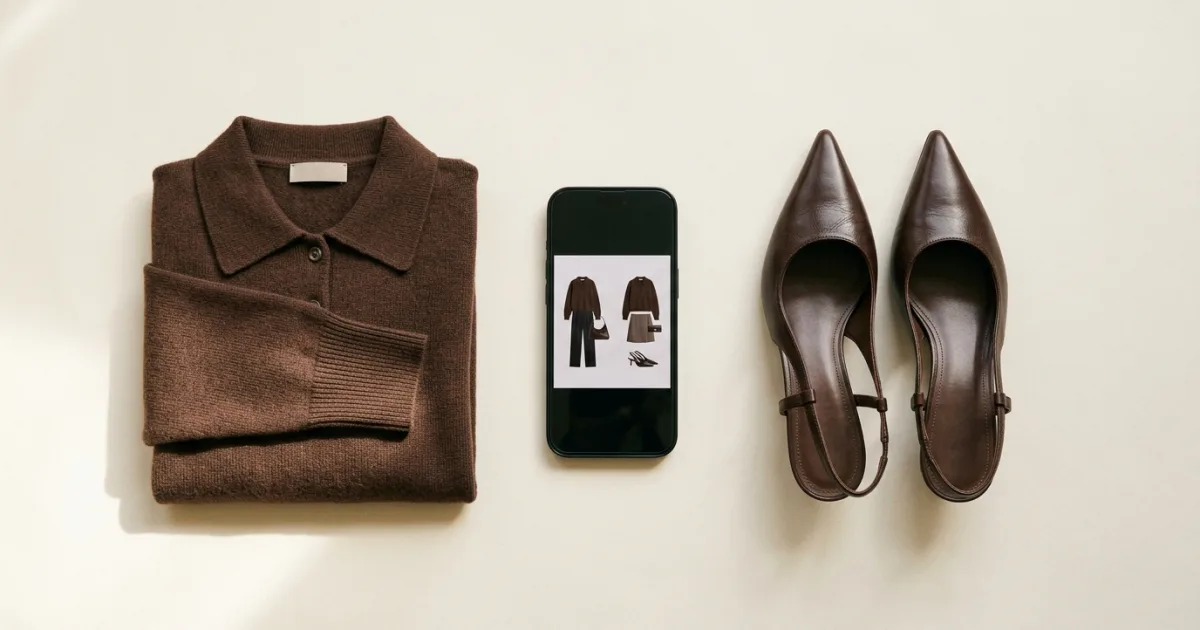
A favorite knit pills faster when it never gets a day off, so a second one is worth keeping ready. Pinning that one in Wdrobe, the app we make, brings up outfits around it from your other clothes.
What wears clothes out, and what does not
Decide what is failing: pilling, stretched necklines, gray whites, worn-through soles. Most wardrobes lose clothes to washing and storage rather than to actual wear.
Fix one failure at a time. If a change holds for a season on the garments you wear most, it is worth applying to the rest.
Five habits that do the work
1. Follow the fiber and care label instead of washing every garment the same way
Cotton, wool, synthetics and blends all want different water temperatures, and the label is usually right. Wool at thirty on a wool cycle, cotton at forty, and anything with elastane away from heat entirely.
2. Air, spot-clean, and brush suitable pieces between full washes
Most knitwear and tailoring needs airing far more often than it needs washing, which is where the damage happens. A wool jumper worn twice a week needs washing perhaps five times a season rather than weekly.
Clothes last longer when they get worn in rotation rather than in favourites. Knowing what you are overusing is the first step. See what is doing all the work.
3. Reduce heat, friction, overloading, and aggressive detergent where possible
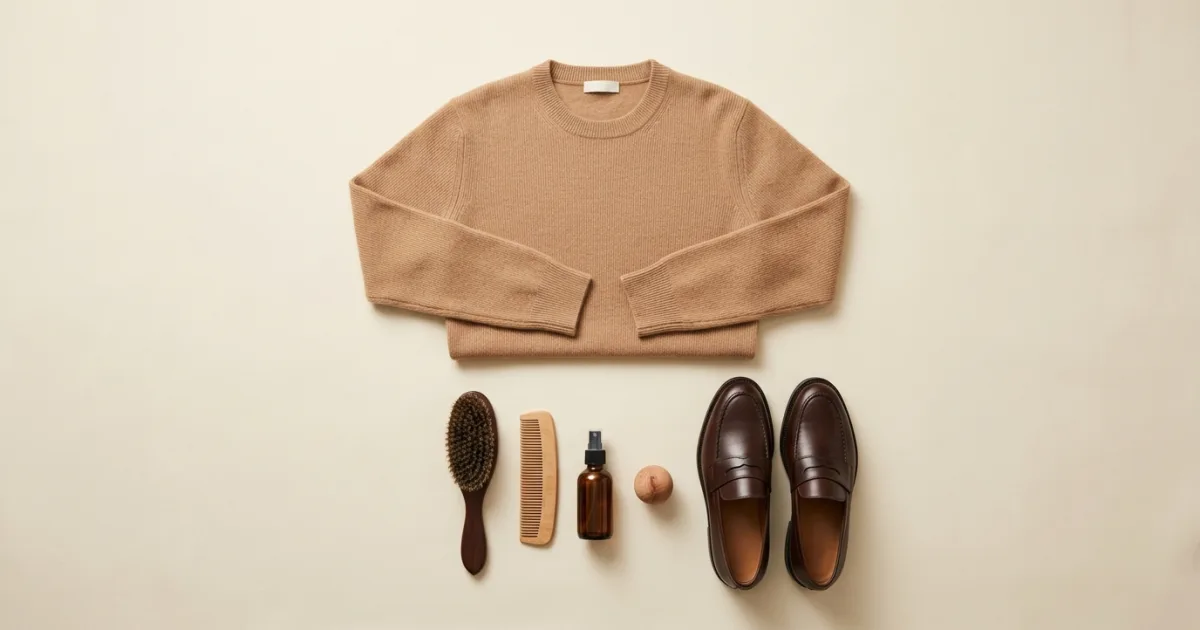
Lower heat, a fuller rinse and a half-loaded drum do more for longevity than any detergent claim. Turning knitwear inside out and using a mesh bag removes most of the friction that causes pilling.
4. Store knits, tailoring, shoes, and bags in shapes that support their structure
Knits folded, tailoring on broad hangers, shoes with trees in them, bags stuffed and standing upright. A knit left on a hanger stretches at the shoulders within a month, and that is permanent.
5. Repair loose hems, buttons, soles, and small marks before damage spreads
A loose button costs nothing to fix, and a dropped hem costs a garment if it is left. A cobbler can resole good shoes two or three times, which costs less than one replacement pair.
Check after a season, not a week
After three months, look at the pieces you wear weekly. If they still look the way they did, the routine is working; if one keeps degrading, the fabric and the method are mismatched.
When something cannot be saved, write down what failed rather than the brand that failed. A knit that pilled at the underarm points at fiber content, which is a specific thing to check next time.
Frequently asked questions
How do you make clothes last longer?
Wash less often and colder, air items between wears, dry flat or on a line rather than in a tumble dryer, and repair small damage early. Washing is where most garment life is lost.
How often should you actually wash clothes?
Jeans after several wears, knitwear after three or four, shirts and anything against skin after one. Over-washing is far more damaging to fabric than wearing something twice.
Is it worth repairing clothes?
For anything you wear regularly, yes. A replaced button or reinforced seam costs minutes and returns months of wear, and most garments are discarded for damage that took under an hour to fix.
Clothes last longer when they are rotated rather than worn in a favourite few, and rotation needs tracking. See which pieces you are wearing into the ground and which have not left the shelf.