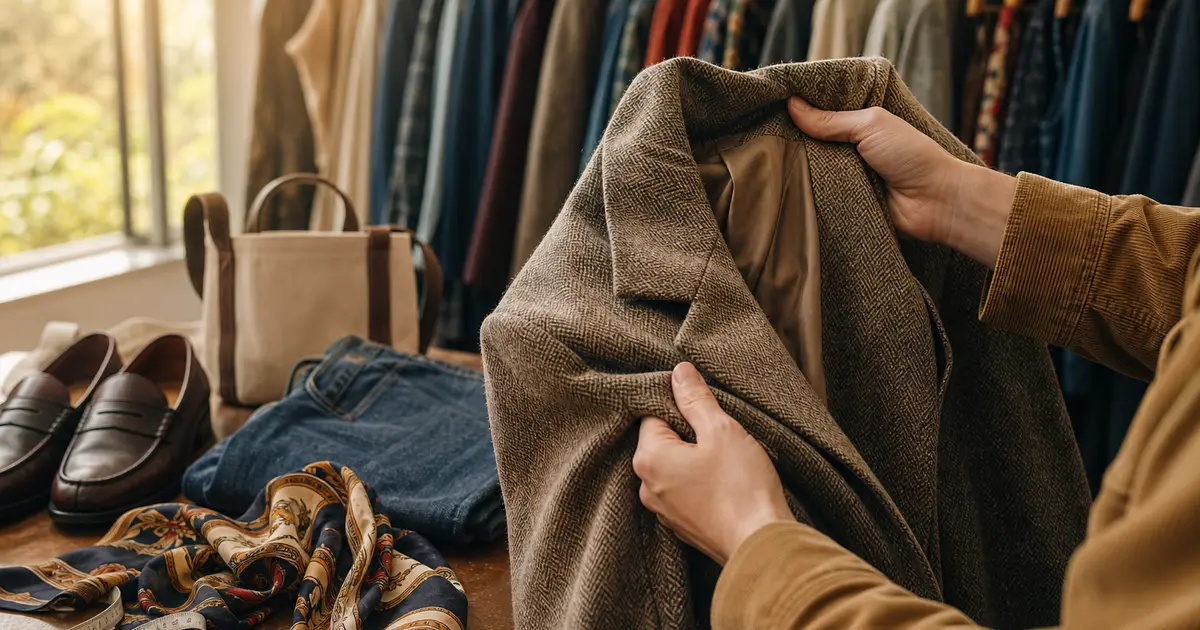

To avoid buying clothes you never wear, check whether an item fits your real routine, feels comfortable, works with pieces you own, and fills a specific wardrobe gap. If you cannot name an occasion and build a complete outfit for it, pause the purchase and revisit it after a few days.
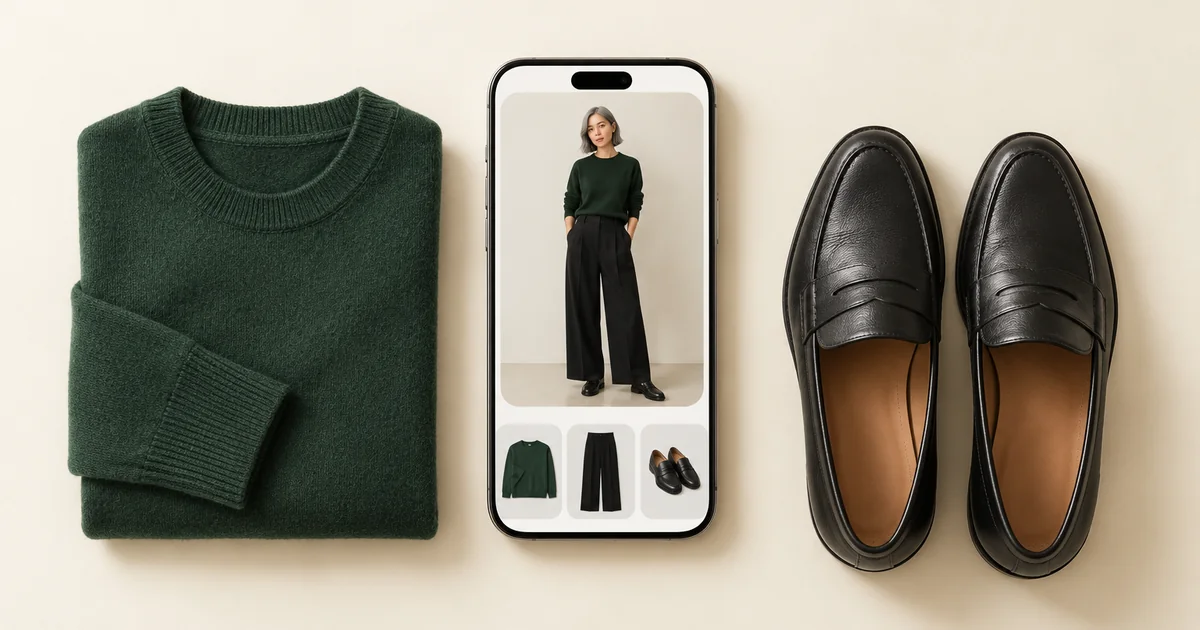
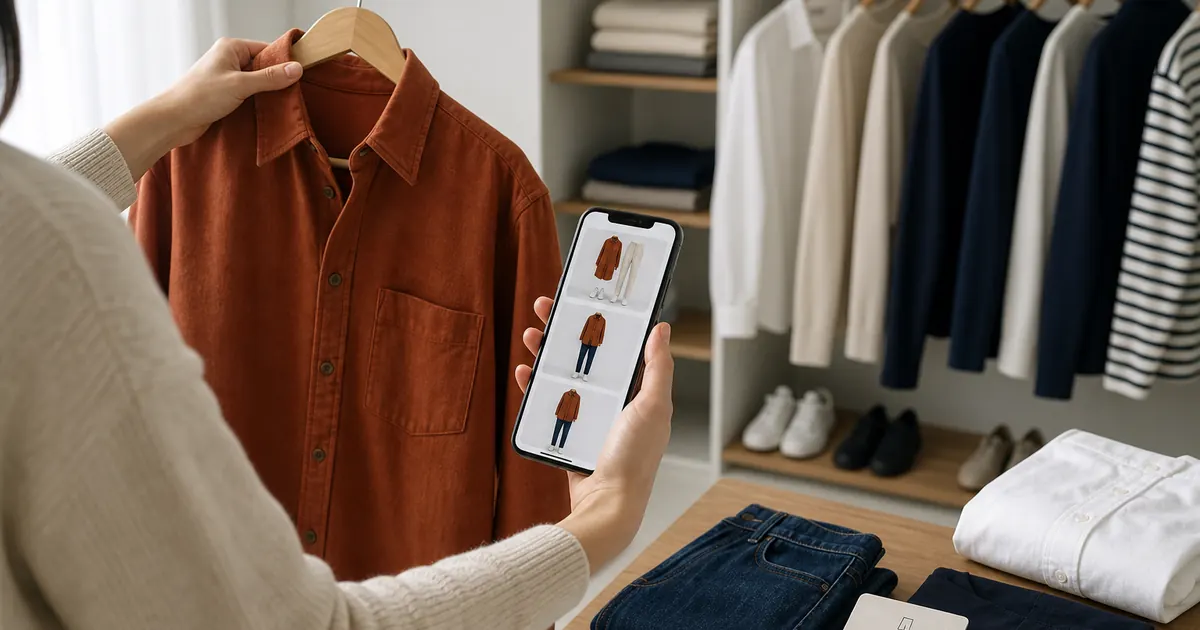
During those few days of waiting, you can already build that complete outfit with the item in it. Our phone app, Wdrobe, lets you try the product screenshot on your picture, next to pieces you have.
Review What You Actually Wear
Look at the clothes you use during a normal week. Notice repeated colors, silhouettes, fabrics, shoes, and layers. Then ask which pieces stay unworn and why. Common reasons include an unrealistic dress code, difficult care, uncomfortable fabric, or a color that does not connect with the rest of the closet.
A digital inventory makes these patterns easier to spot. If you need one, follow this digital wardrobe guide and start with a single category.
Shop for a Specific Gap
Write precise needs before browsing. “Water-resistant shoes that work with my office trousers” is more useful than “new shoes.” “A lightweight layer for cool summer evenings” gives you criteria for fabric, warmth, and shape. Sometimes repair or tailoring can solve the gap without another purchase.
The three-outfit test needs you to remember the whole wardrobe while standing in a shop. Nobody can do that. Do the test with the wardrobe in front of you.
Use the Three-Outfit Test
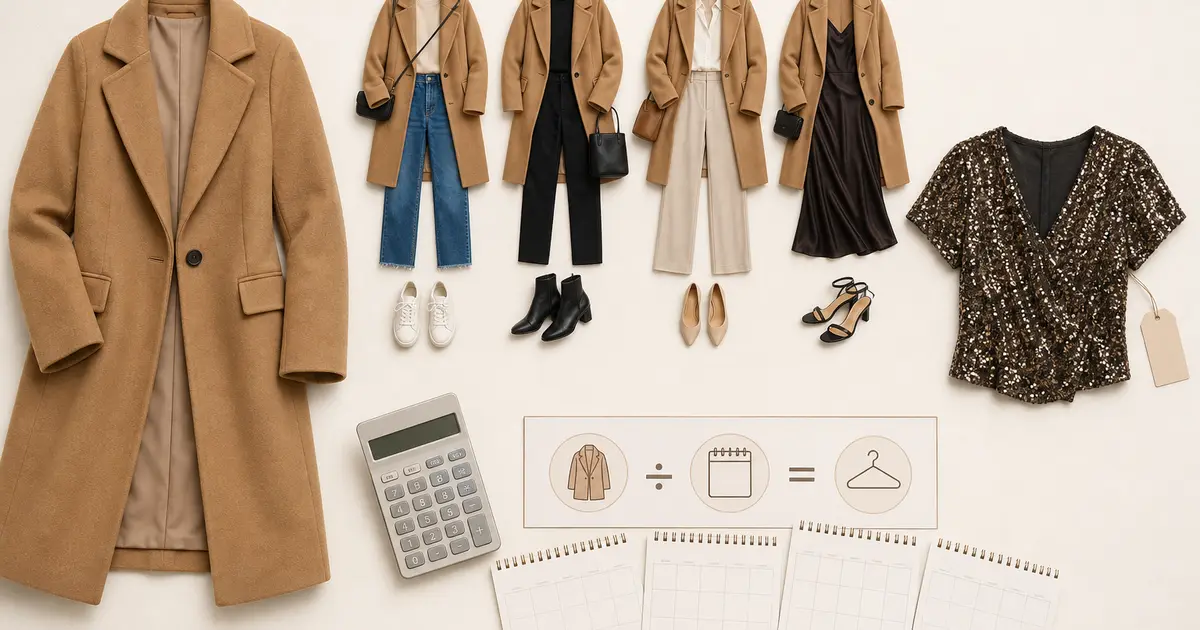
Before checkout, create three complete outfits around the item using clothes you already own. Include shoes and outerwear. For a burgundy cardigan, you could test:
- Straight jeans + white T-shirt + cardigan + sneakers
- Gray trousers + cream blouse + cardigan + loafers
- Black midi dress + cardigan + ankle boots
Make sure each look suits your actual calendar and climate. One strong outfit may be enough for genuine occasion wear, but an everyday item should usually offer more versatility.
Check Fit, Care, and Comfort
Sit, walk, reach, and test fastenings when trying on clothes. Check opacity, pockets, lining, fabric composition, and cleaning instructions. For online shopping, compare garment measurements with a similar piece you own and review the return policy.
A virtual try-on before buying can help you explore styling and color, but it cannot guarantee size, comfort, material behavior, or exact appearance in person.
Add a Waiting Period
Move non-urgent items to a wish list for several days. When you return, ask whether the item still fills the original gap, still passes the three-outfit test, and stays within your budget. A discount changes the price, not the usefulness of the garment.
Test the Idea in Wdrobe
Upload photos to digitize the clothes you own in Wdrobe, then combine them around a similar item or color. Virtual try-on provides a visualization of the overall outfit, not a fit guarantee, while the outfit planner shows whether the idea supports real upcoming days. Save the combinations that work and download a result to reference while shopping. You may discover that an existing jacket, shirt, or pair of shoes already captures what you liked about the new item.
Thoughtful shopping is not about never buying clothes. It is about choosing pieces that support your life and make your current wardrobe easier to use.
Frequently asked questions
Why do I keep buying clothes I never wear?
Usually because the item was bought for an imagined version of your life rather than the one you have, or because it does not connect to anything else you own. A piece that only works in one outfit rarely survives contact with a real week.
How do you know if you will actually wear something?
Name three complete outfits using clothes you already own, and the next two occasions you would wear it. If either answer is vague, the item is likely to go unworn.
What should you do with clothes you never wear?
Give them one deliberate trial in a real outfit first. If it still does not work, sell or donate it, keeping it does not recover the money and it makes the rest of the wardrobe harder to see.
The purchases that go unworn are almost always the ones nothing else in the wardrobe matched. Check a piece against what you own while you are still in the shop.