Thrifting 101: How to Find Clothes Worth Buying
4 min read
Wdrobe
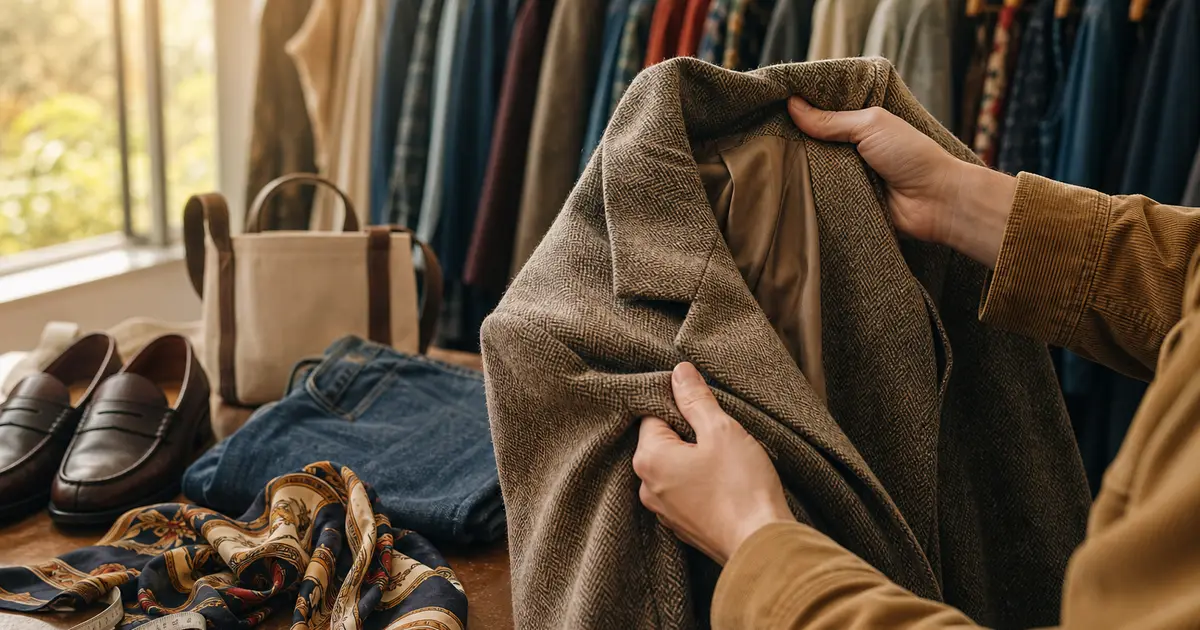
Successful thrifting is less about finding a hidden treasure immediately and
more about checking fabric, construction, fit potential, and actual wardrobe
use. Arrive with a short functional list, inspect slowly, and leave pieces that
need a fantasy life or an unrealistic repair.
Thrift shop mirrors are usually small and badly lit. Photograph the piece and the Wdrobe app will put it on a picture of you, showing the styling rather than the fit. Judge the blazer on yourself before you pay.
Make a narrow list
Choose three gaps, such as a wool blazer, straight dark jeans, or a silk scarf.
Add useful colors and approximate measurements. A list keeps a crowded shop
from turning every interesting object into a possibility.
Leave room for one unexpected piece, but require it to make three outfits with
clothes you own.
Scan by material and color
On a dense rail, look for the colors and textures relevant to your list. Touch
fabric and check fiber labels when present, but do not assume natural fiber
automatically means quality. Construction and condition matter.
Good synthetic garments can be durable and easy to care for; damaged luxury
fabric can still be a poor buy.
Inspect every high-stress area
Check:
underarms and collar for staining;
crotch and inner thighs for wear;
cuffs and hems for fraying;
seams for pulling or repairs;
zips, buttons, and fasteners;
knitwear for holes and pilling;
leather for cracking; and
odor that may not leave with normal cleaning.
Turn lined garments inside out. Minor missing buttons are simple; extensive
fabric damage is not.
Thrifting is fast decisions with no returns. Knowing whether a piece goes with anything you own is the decision you cannot make from the rail. Know what it goes with while you are still in the aisle.
Measure instead of trusting the size
Secondhand labels span different decades and brands. Compare garment
measurements with a similar item that fits you. For tailoring, shoulder width
and body length are harder to alter than a waist or hem.
Try the piece with the underlayer you expect to wear and move as you would in
real life.
Calculate the complete cost
Add cleaning, repair, alteration, and transport to the price. A cheap blazer
that needs major shoulder reconstruction is not a bargain. A higher-priced coat
that fits and needs only cleaning may offer better value.
Use a three-outfit rule
Before paying, name three complete outfits using your actual shoes and layers.
Photograph the garment in neutral light if store policy allows, then review it
away from the excitement of the rail.
Check returns before purchase; many secondhand sales are final.
Keep the find connected to your closet
Wdrobe can help you compare a thrifted candidate with pieces you own and save
three realistic combinations. The preview supports styling, while the physical
inspection determines quality and fit.
Continue with a related guide
Buying secondhand online takes away the fitting room, so compare clothes before buying against what you already own.
Frequently asked questions
How do you find good clothes when thrifting?
Shop by fabric and construction rather than by rail. Check the composition label, the seams and the shoulders first, those tell you whether the garment will last far faster than the brand does.
What should you look for on a thrift label?
Natural fibers such as wool, cotton, linen and silk, and fully lined tailoring. Check for underarm staining, pilling, missing buttons and a working zip before anything else.
What is the best way to thrift efficiently?
Go with two or three specific gaps in mind and ignore everything else. Browsing without a list is what fills a wardrobe with cheap items that never get worn.
Secondhand decisions are made in minutes, usually without knowing whether the piece matches anything at home. Carry your wardrobe with you and check before you buy.
← All articles
Take Wdrobe with you
Enjoyed the read? Get the full virtual try-on experience — download Wdrobe on the App Store or Google Play.
Related articles
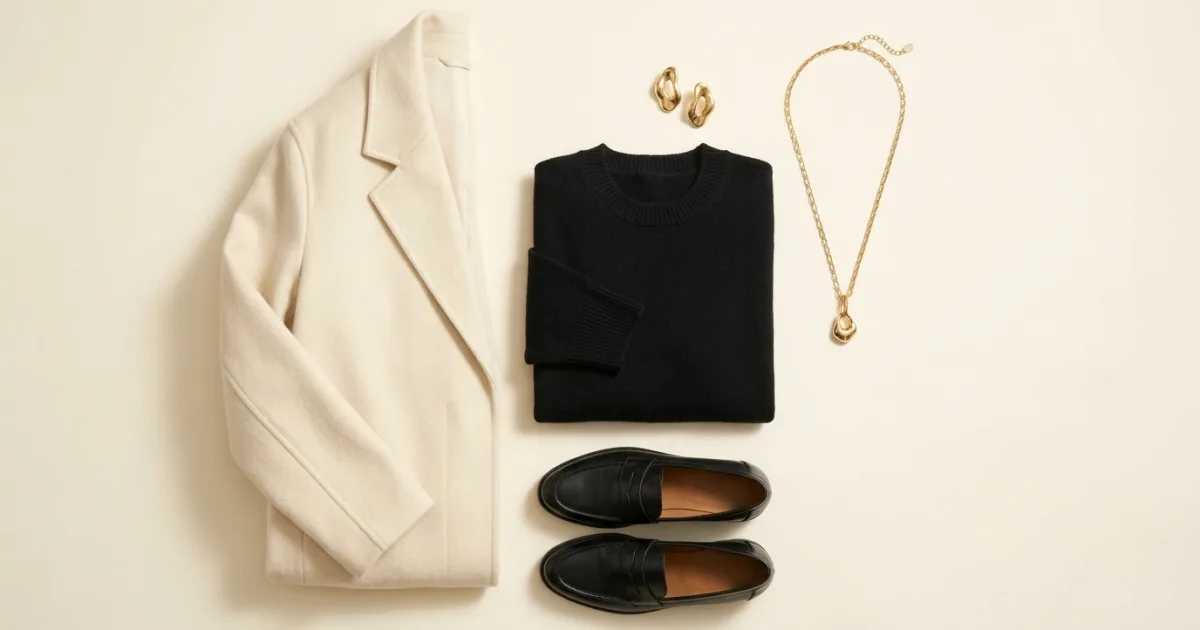
Gold behaves like a warm neutral with a light source in it. Here is what it sits beside, and the outfits that use it well.
Read Article
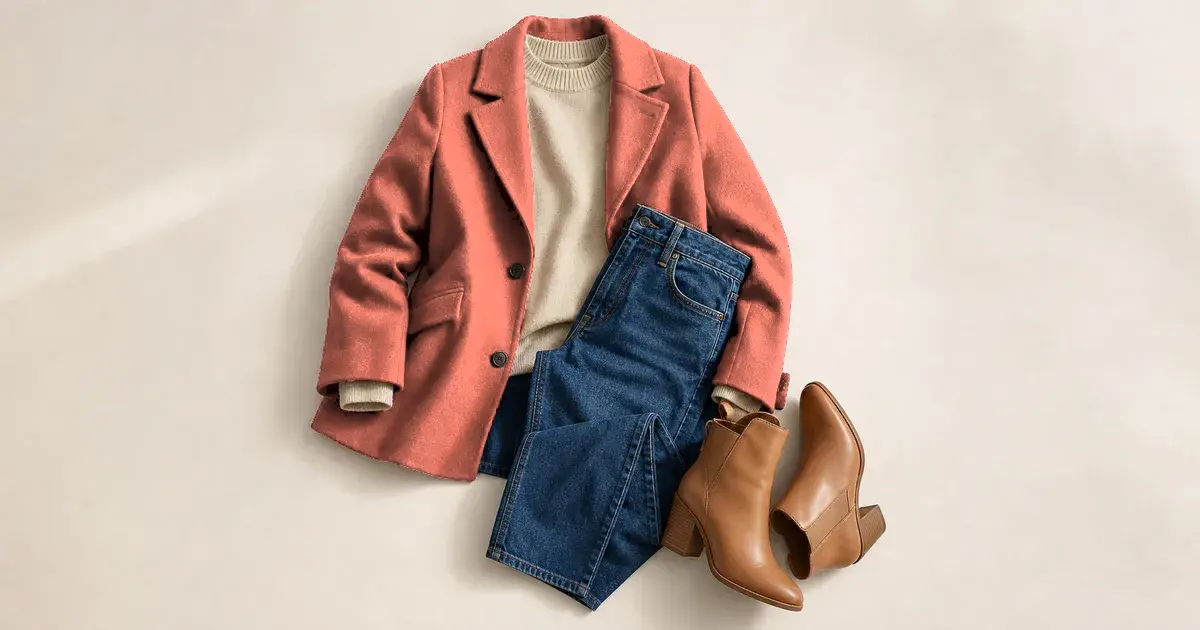
Ten colors that work with coral clothes, and how to tell coral apart from salmon and rust when you are buying.
Read Article
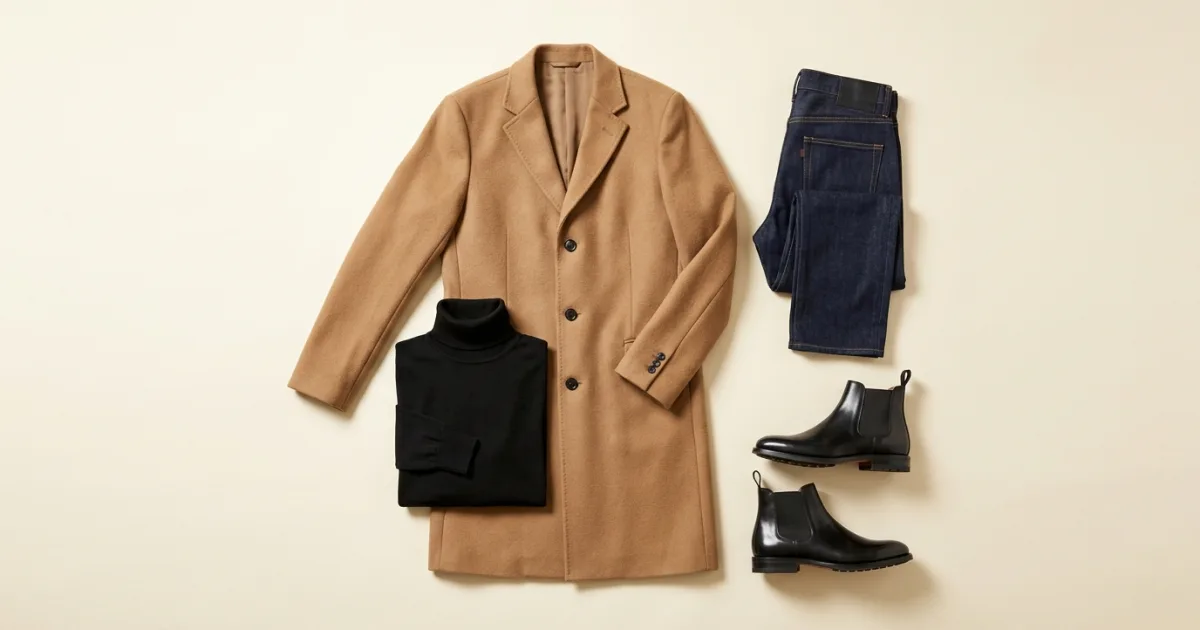
Forty degrees is the coat threshold. Here is the order to dress in, five outfits, and the indoor problem most people forget.
Read Article