How to Build a Personal Style Uniform
4 min read
Wdrobe

A personal style uniform is a repeatable outfit structure that makes you feel
like yourself. It is not one identical outfit, a workplace uniform, or a rule
against experimentation. It is a reliable starting point, such as blazer, simple
top, straight trousers, and loafers, with controlled changes in color, texture,
and accessories.
A uniform borrowed from someone else comes with their proportions, not yours. Wdrobe has a body shape analysis in the app that gives a read on yours, and from there you can choose a silhouette worth repeating.
Find the formula you already repeat
Review photos from the last month or list your five easiest outfits. Identify
the shared shape:
fitted top with wide trousers;
relaxed shirt with straight jeans;
midi dress with short layer;
knit, skirt, and boot; or
tee, tailoring, and sneaker.
Pay attention to proportions and comfort, not just garment categories.
Define four parts
Write the uniform as roles:
base: tee, shirt, knit, or dress;
bottom or silhouette: straight, wide, fitted, or flowing;
layer: blazer, cardigan, overshirt, or coat; and
finish: shoe, bag, belt, or jewelry.
This keeps the formula flexible. “Navy blazer and jeans” is one outfit; “short
structured layer + straight bottom” can generate many.
Build three levels of formality
Create a relaxed, everyday, and polished version.
Relaxed: tee + straight jeans + cardigan + sneakers
Everyday: shirt + straight jeans + blazer + loafers
Polished: fine knit + tailored trousers + blazer + structured shoe
The repeated silhouette maintains identity while fabric and finish adapt to the
occasion.
A uniform is only a uniform if the pieces genuinely interchange. That is a claim worth testing before you buy into it. Test it on what you own.
Choose a working palette
Use two or three neutrals you already own and two accents you enjoy. The palette
does not need to be minimal, but repetition makes pieces easier to exchange.
Texture prevents a uniform from feeling flat. Combine denim, smooth cotton,
knit, wool, leather, or linen within the same color family.
Allow deliberate departures
A uniform should reduce low-value decisions, not restrict you. Keep a separate
space for expressive dresses, prints, trend pieces, or occasionwear. Use them
when you want change rather than forcing novelty into every morning.
Review the formula each season and after major routine changes. A uniform for
commuting may not suit remote work, parenthood, a new climate, or a more formal
role.
Avoid buying duplicates before you test the formula. Wear the existing version
several times and note the genuine limitation: laundry frequency, warmth,
formality, or fit. A second blazer is useful only when it solves a different
job or keeps a heavily worn formula in rotation.
Save the formula and its variations
Wdrobe can help you duplicate the core outfit, change one role, and store
relaxed or polished versions. That makes consistency visible without requiring
identical clothes.
Continue with a related guide
If you arrived here because you already repeat a handful of looks, that habit is worth reading about first.
Frequently asked questions
What is a personal style uniform?
A repeatable outfit formula, a shape and color combination, that you vary rather than reinvent. It removes daily decisions while still allowing the individual pieces to change.
How do you find your style uniform?
Look at what you already reach for most. The outfits you repeat without thinking are the formula; the work is naming the pattern so you can buy toward it deliberately.
Does a style uniform get boring?
It changes what varies. The silhouette stays constant while fabric, color and accessories change, which most people find frees up attention rather than limiting them.
A uniform emerges from what you already reach for, which is data most people do not have. Track what you actually wear and let the pattern show itself.
← All articles
Take Wdrobe with you
Enjoyed the read? Get the full virtual try-on experience — download Wdrobe on the App Store or Google Play.
Related articles
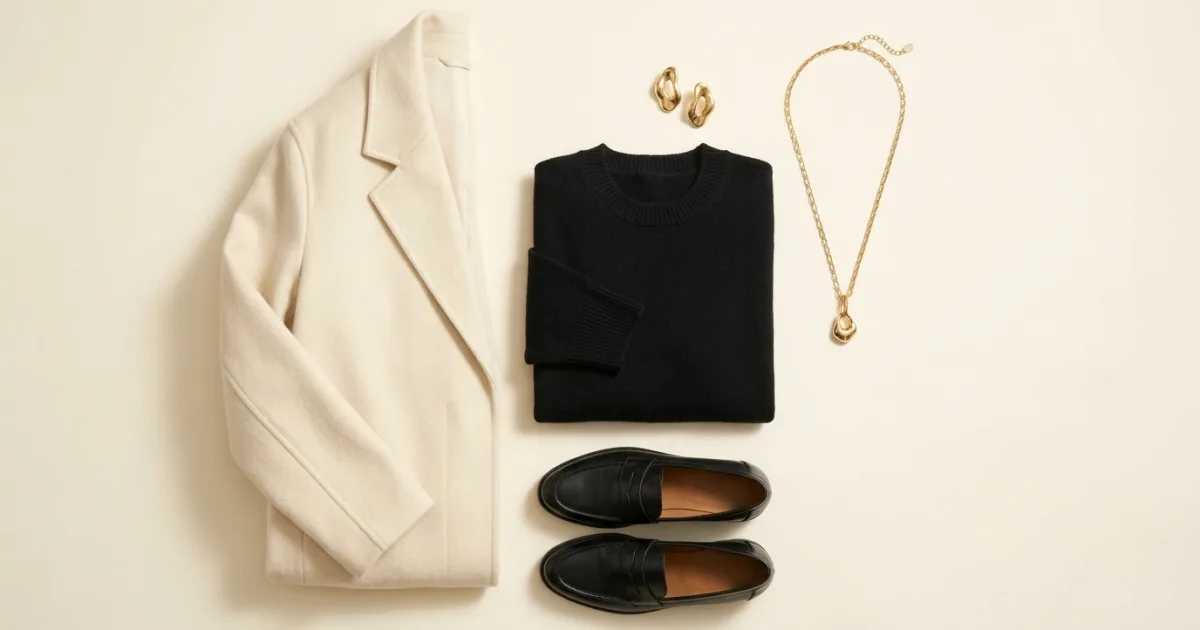
Gold behaves like a warm neutral with a light source in it. Here is what it sits beside, and the outfits that use it well.
Read Article
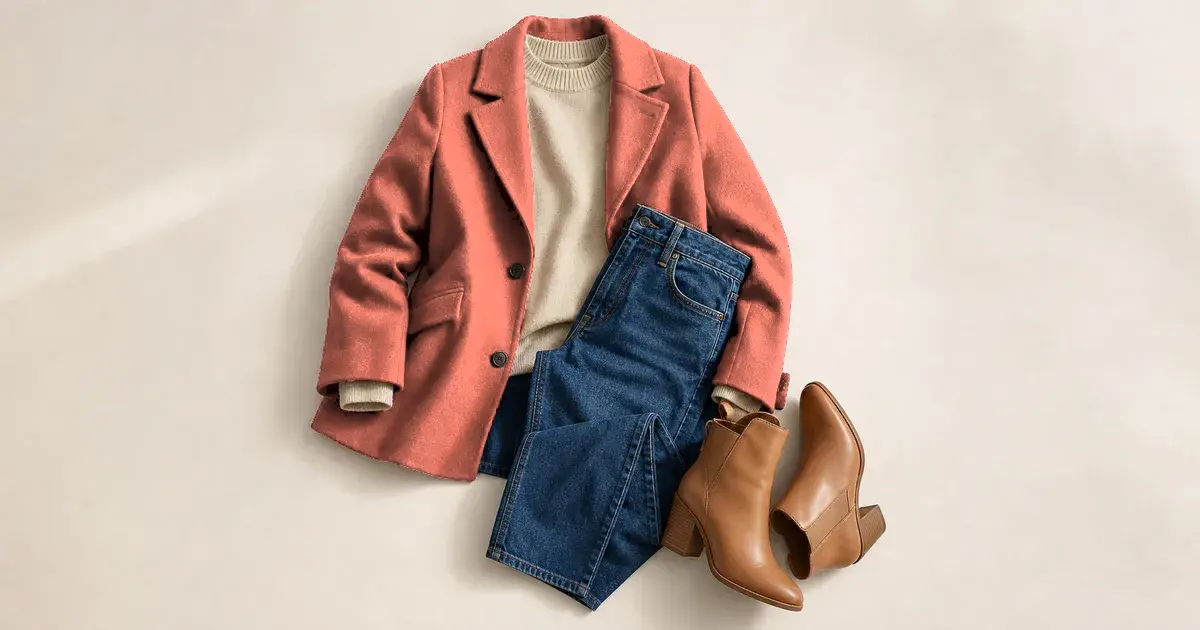
Ten colors that work with coral clothes, and how to tell coral apart from salmon and rust when you are buying.
Read Article
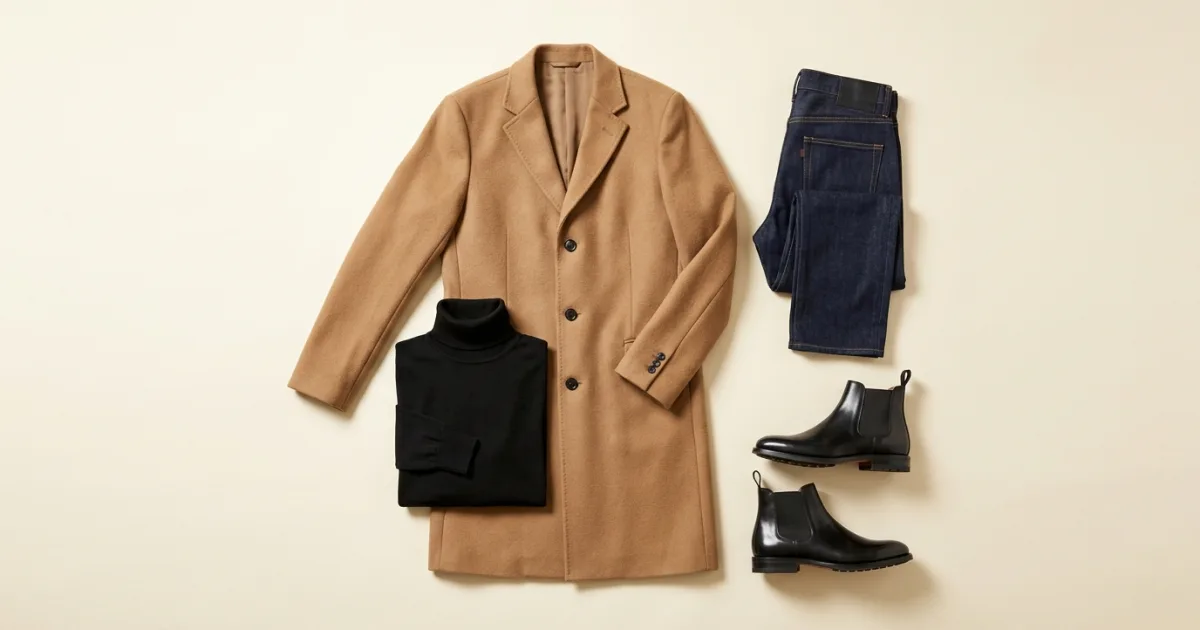
Forty degrees is the coat threshold. Here is the order to dress in, five outfits, and the indoor problem most people forget.
Read Article