Why You Keep Wearing the Same 5 Outfits
4 min read
Wdrobe
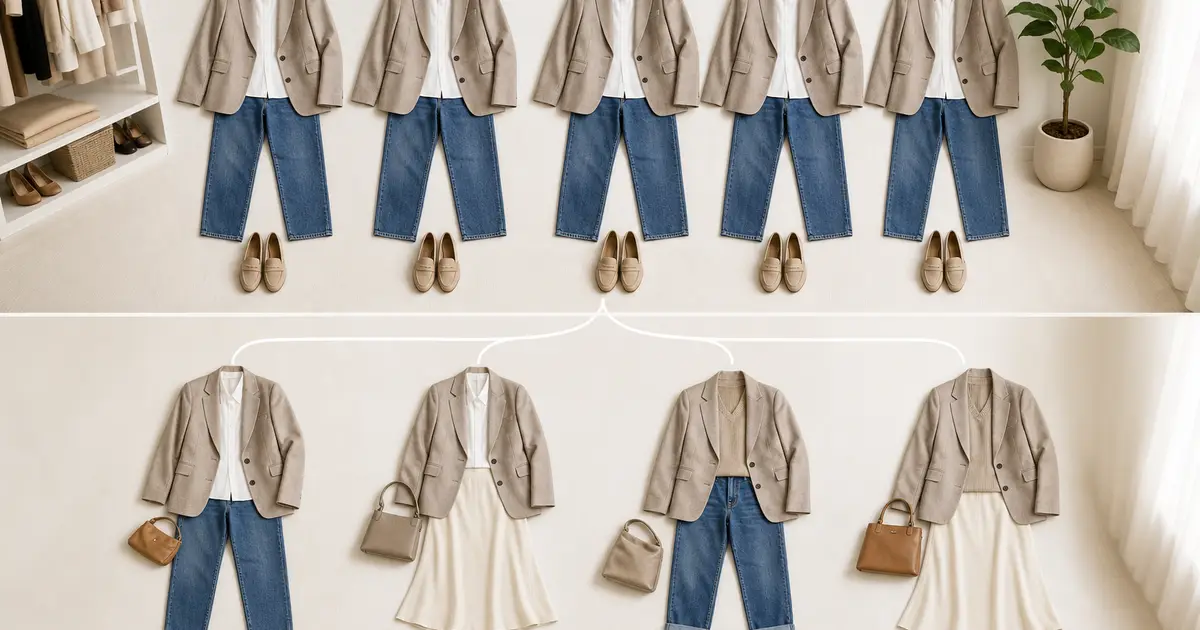
You keep wearing the same five outfits because they solve your real needs:
they are visible, comfortable, complete, and easy to remember. The problem is
not repetition. It is having no equally reliable alternatives. Build variety by
copying what works and changing one element at a time.
One swap is easy to plan and surprisingly hard to picture on yourself. Try it on screen first: the Wdrobe app can show the changed outfit on your own photo, and you save it only if it works.
Study the five outfits
Photograph or list them. Look for repeated structures:
the same trouser shape;
one preferred neckline;
a dependable layer;
two comfortable shoes;
a narrow color palette; or
the same level of formality.
These repetitions describe your preferences. Do not discard them in pursuit of
random novelty.
Turn each outfit into a formula
Change garment names into roles. “Blue shirt, black trousers, loafers” becomes
“relaxed shirt + straight dark bottom + structured flat.” The formula can now
produce several outfits.
Create one variation by changing color, another by changing texture, and a third
by changing the layer. Keep the underlying silhouette recognizable.
Use the one-change method
If a favorite is a blazer, tee, jeans, and sneakers:
replace sneakers with loafers;
replace the tee with a fine knit;
replace the blazer with a cardigan;
keep the blazer but use tailored trousers; or
add one scarf or belt.
Testing one change makes it clear why a variation succeeds or fails. Replacing
everything at once creates an outfit unrelated to your proven preferences.
You wear five outfits because they are the five you can picture. Everything else needs a decision you do not have time for. Make three more easy to picture.
Make underused clothes easier
Pair one neglected item with three reliable pieces from the five outfits. A
difficult skirt may become usable with your standard knit, familiar jacket, and
most comfortable boot.
If the item still requires constant adjustment, special care, or purchases you
do not want, the issue is not lack of creativity. It may not belong in the
working wardrobe.
Prepare alternatives for real obstacles
Build a warm-weather version, a cool-weather version, a laundry-day backup, and
a slightly smarter version of each core formula. These solve the moments when a
favorite outfit is unavailable.
Repeating a good outfit is not a failure. The aim is a small library of equally
easy choices, not a different identity every morning.
Save the variations where you can see them
Wdrobe can help you duplicate a successful direction, swap one garment, and
compare the result. Save only alternatives you would actually wear, then use
them when the original five are unavailable or feel stale.
Continue with a related guide
Those five outfits are already telling you something, and making it deliberate is what comes next.
Frequently asked questions
Why do I wear the same outfits every day?
Because those outfits are the ones you can see, reach and trust. Repetition is usually a visibility and decision problem rather than a sign that you dislike the rest of your wardrobe.
Is wearing the same outfit repeatedly a problem?
Not at all, a reliable clothing rotation is efficient. It becomes a problem only when most of your wardrobe is unused, which means you paid for clothes that produce no value.
How do you break out of an outfit rut?
Pair one unworn item with one item you wear constantly, and repeat. Building outward from something you trust works far better than assembling an entirely unfamiliar outfit.
If you have tried asking a chatbot to break the rut, ChatGPT outfit prompts covers which questions get a usable answer.
The same five outfits win because they are the only ones you can picture quickly. The rest of the wardrobe is not missing, it is just out of view. See everything at once and build a sixth, seventh and eighth.
← All articles
Take Wdrobe with you
Enjoyed the read? Get the full virtual try-on experience — download Wdrobe on the App Store or Google Play.
Related articles
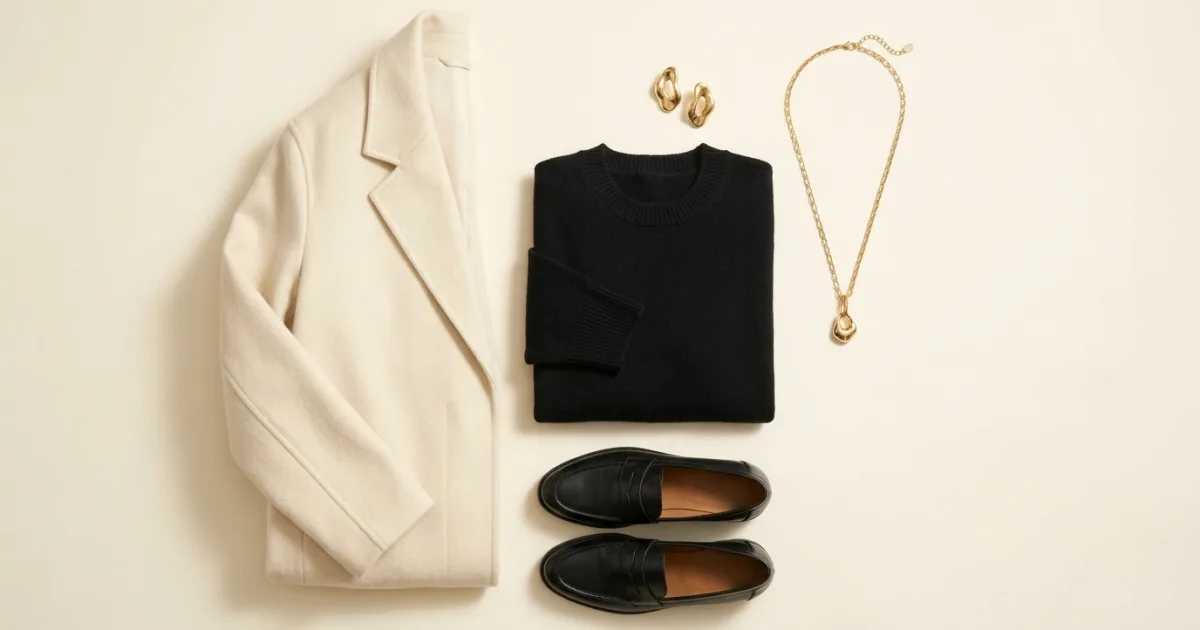
Gold behaves like a warm neutral with a light source in it. Here is what it sits beside, and the outfits that use it well.
Read Article
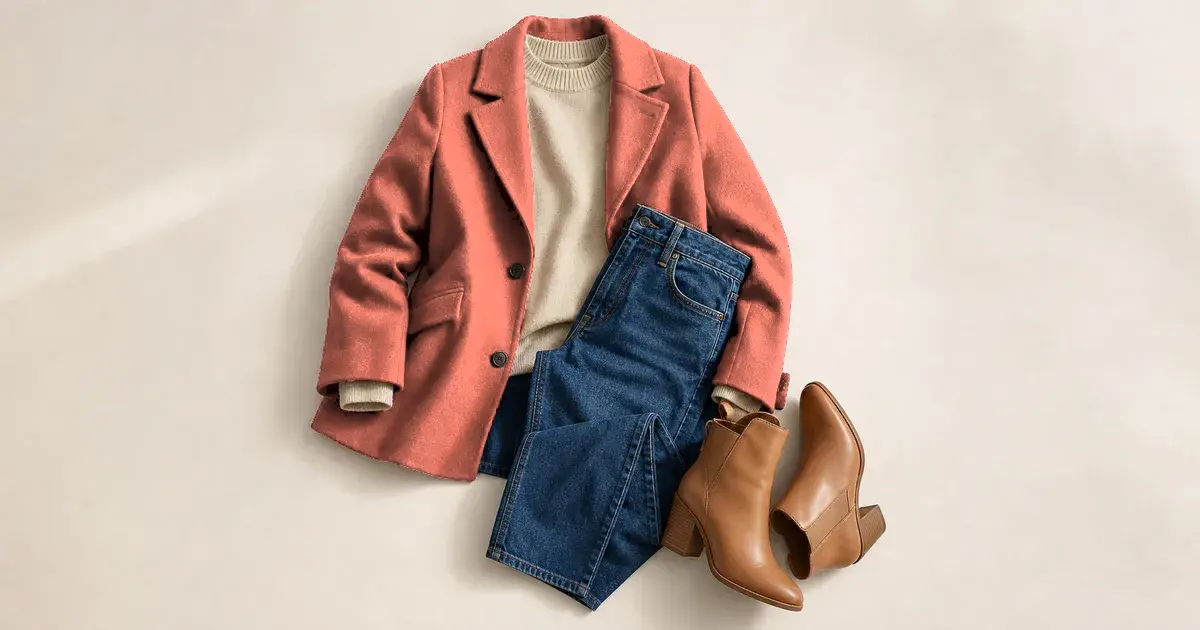
Ten colors that work with coral clothes, and how to tell coral apart from salmon and rust when you are buying.
Read Article
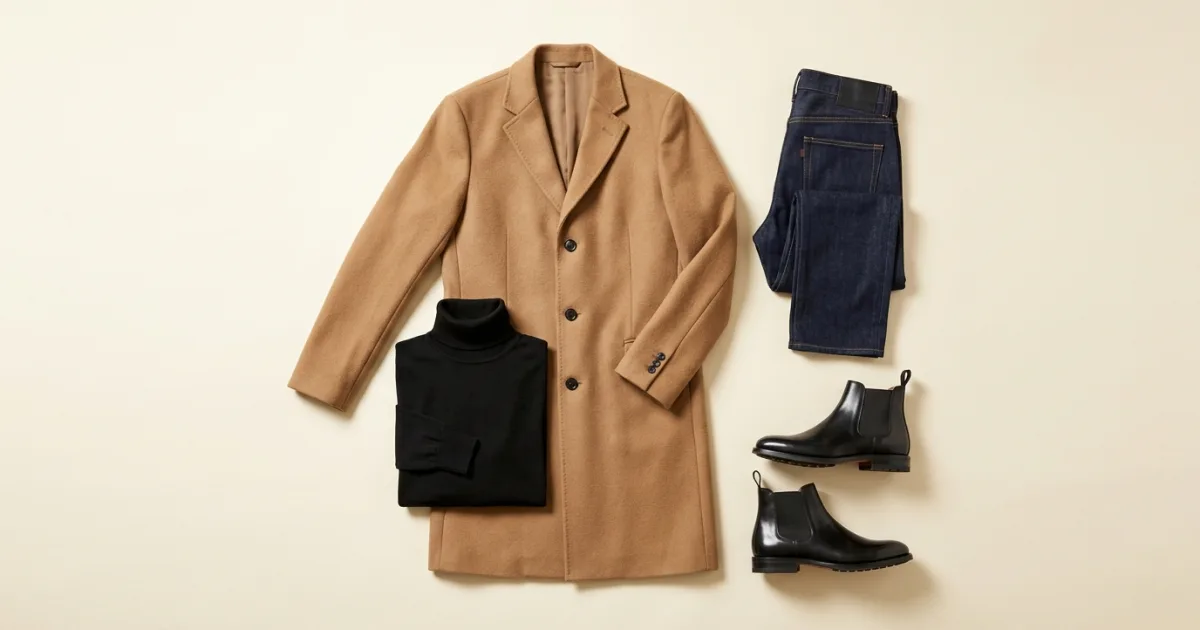
Forty degrees is the coat threshold. Here is the order to dress in, five outfits, and the indoor problem most people forget.
Read Article