5 Work-From-Home Outfits That Still Feel Put Together
5 min read
Wdrobe
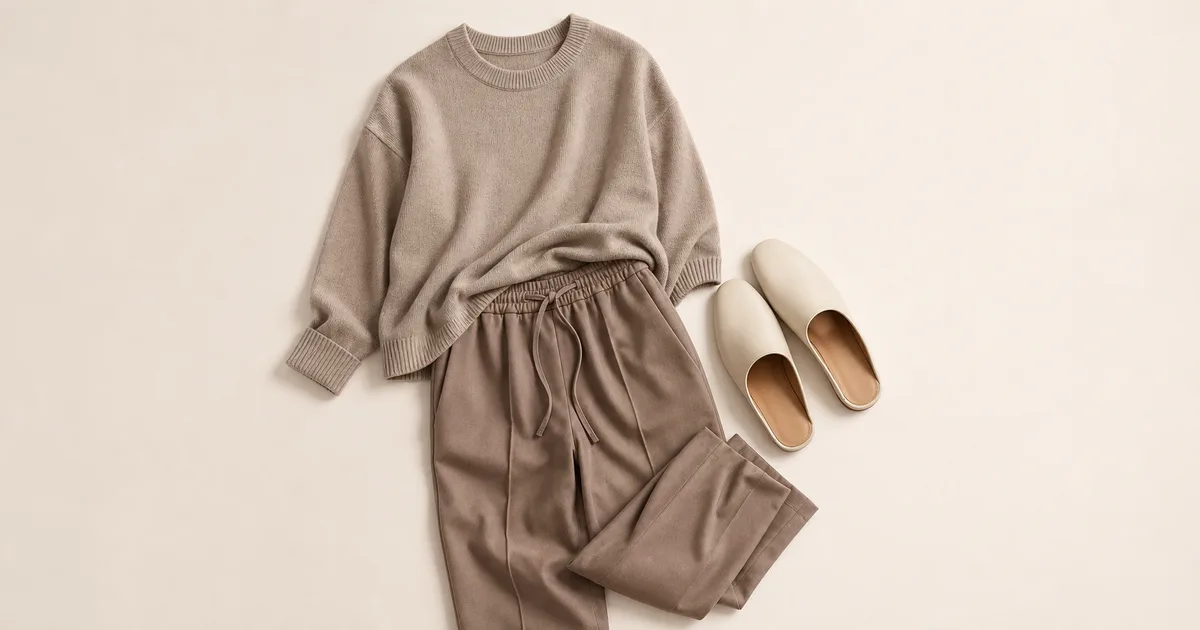
What to wear for work from home depends on the day more than a universal list of must-have clothes. Start with camera framing, room temperature, comfort while sitting, and a clear transition into the workday. The five formulas below offer different levels of polish and protection while remaining broad enough to adapt to your style, body, budget, and existing wardrobe.
Translate the plan into clothing needs
For work from home, separate requirements from expectations. Write down how long you will wear the outfit, how much you will walk or sit, what the weather may do, and the most specific dress-code clue available. Choose a familiar silhouette one step more polished when the guidance is unclear.
Build the work from home outfit base first, then add shoes, weather protection, and the bag you will actually carry. Accessories should solve one job, personal detail, color, or polish, rather than compete for attention.
5 practical outfit formulas
1. Soft knit + pull-on tailored pants + clean house shoe
This is the simplest baseline for work from home. In soft knit + pull-on tailored pants + clean house shoe, the first piece establishes the mood and the shoe determines how long the outfit can realistically work. Keep the bag and outer layer visually quiet, then test sitting, walking, and reach before treating it as ready.
2. Collared shirt + dark stretch jeans + cardigan
Use collared shirt + dark stretch jeans + cardigan when the setting needs a clearer level of polish. The structured item gives the softer piece an edge, while the footwear keeps the combination practical. Check that necklines, closures, and layers remain stable through movement rather than only in a front-facing mirror pose.
The bar is low and that is the trap. Something that works on camera and still feels comfortable is a narrower set than it looks. Work out your on-camera set.
3. Matching knit set + structured overshirt
The strength of matching knit set + structured overshirt is proportion. Try the intended tuck or waist treatment, then photograph the complete look with shoes from the same distance. If the balance feels wrong, change one length or volume at a time; do not add accessories to solve a fit problem.
4. Fitted tee + midi skirt + light sweater
Choose fitted tee + midi skirt + light sweater for adaptable layering. The outer piece should fit over the base without pulling and be easy to carry or remove. Repeat one color or material between two items to connect the outfit, but avoid turning every accessory into another focal point.
5. Fine sweatshirt + straight pants + small earrings
Treat fine sweatshirt + straight pants + small earrings as the alternate dress-code direction. It works only if every practical piece, including the coat, bag, and weather protection, belongs to the same real plan. Wear proven shoes and save a variation for a surprise video call or a quick trip outside, not for a vague fear that anything could change.
Check comfort and formality together
Wear the complete work from home outfit for at least ten minutes. Sit, walk, lift your arms, use the pockets, and carry what the plan requires. Check opacity in daylight, closures from every angle, and whether the shoes are already proven. A look that needs constant adjustment is not finished.
Formality for work from home comes from the whole combination. Fabric condition, intentional hems, clean footwear, and a suitable layer often matter more than adding jewelry or wearing dark colors. If the result feels too casual, sharpen one element. If it feels too formal, soften one element and compare again.
Prepare one realistic backup
For work from home, the useful backup addresses a surprise video call or a quick trip outside. It may be one removable layer, a weather-safe shoe, or a saved alternate outfit when travel is involved. Avoid packing a second wardrobe for possibilities that are unlikely to happen.
For more adaptable work from home combinations, continue with this related outfit guide. Rehearse the final look with its real coat and bag, then save the result so the decision is already made.
Frequently asked questions
What should you wear working from home?
Something with structure on top, since that is what appears on camera, and genuinely comfortable below. A knit or shirt with soft trousers reads as put together without costing you comfort.
Does getting dressed for remote work actually help?
For most people yes, because changing clothes marks the start of the working day. The effect comes from the transition rather than from formality.
What should you avoid wearing on video calls?
Tight stripes and small busy patterns, which shimmer on camera, and anything close to your wall colour. Solid mid-tones read most clearly.
The same thinking applies to everything else in your closet. See how to make more outfits from the clothes you already own.
These outfits are judged by the camera and by how they feel after six hours sitting down, which are two different tests. Save the few that pass both.
← All articles
Take Wdrobe with you
Enjoyed the read? Get the full virtual try-on experience — download Wdrobe on the App Store or Google Play.
Related articles

Fifteen last-minute Halloween costumes assembled entirely from clothes most wardrobes already contain, sorted by how little you need to buy.
Read Article
Choose from five complete outfit formulas for work from home, with practical checks for comfort, weather, footwear, and dress code.
Read Article
Use a five-step method for a wardrobe wishlist that stays grounded in your current wardrobe, schedule, climate, and actual decisions.
Read Article