
A rotation gives neglected clothes a fair trial without forcing you to wear everything equally.
After a fortnight, the deciding evidence is how often each test piece actually came out. The Wdrobe app, which we make, keeps a count of wears for each piece.
What rotation is and is not
Decide what the rotation is for: visibility for forgotten pieces, or a decision about whether to keep them. Guilt is not a useful input.
Trial a small group rather than reorganizing everything. Five pieces will tell you what you need to know.
Five steps per cycle
1. Keep the current season visible but do not force every item into equal use
Keep the current season in easy reach, and accept that some things will get worn more than others. Forcing equal wear is how a rotation turns into an obligation and then stops.
2. Move a small group of neglected pieces into an easy trial position
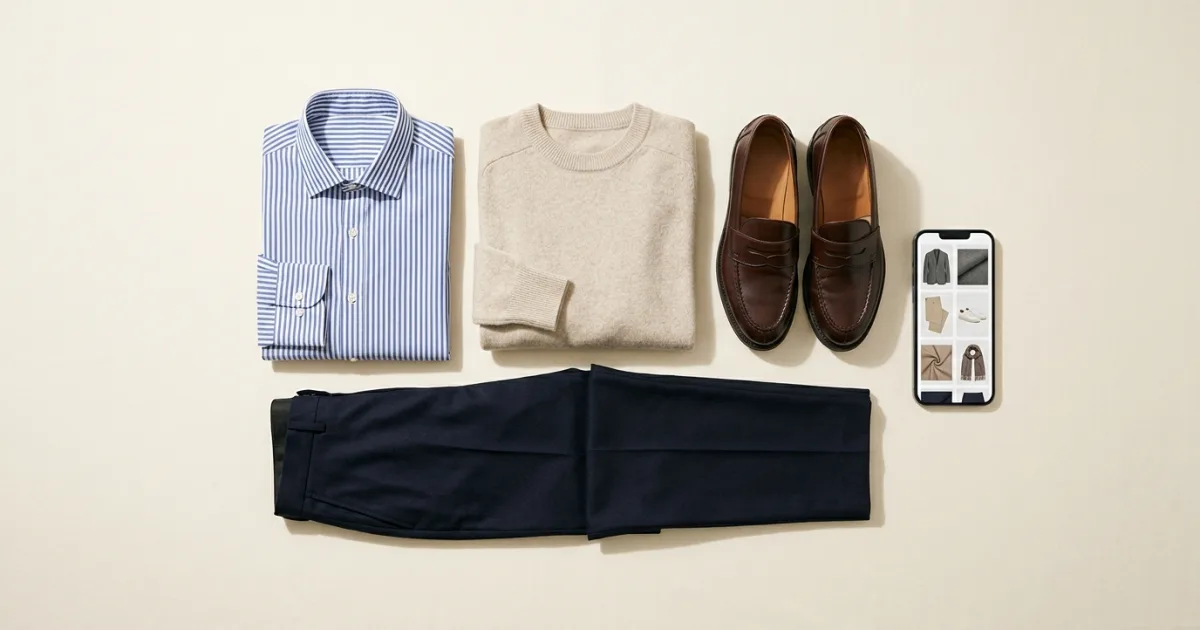
Move five neglected pieces to the front, not the whole forgotten half of the rail. Five is small enough that each one actually gets a turn within a fortnight.
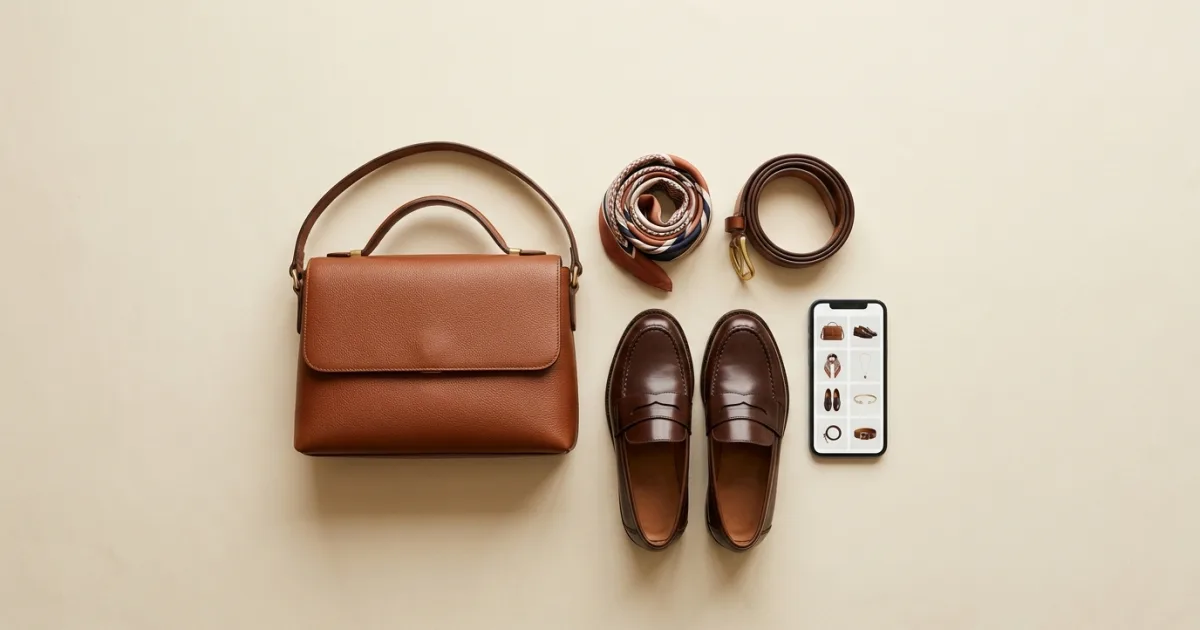
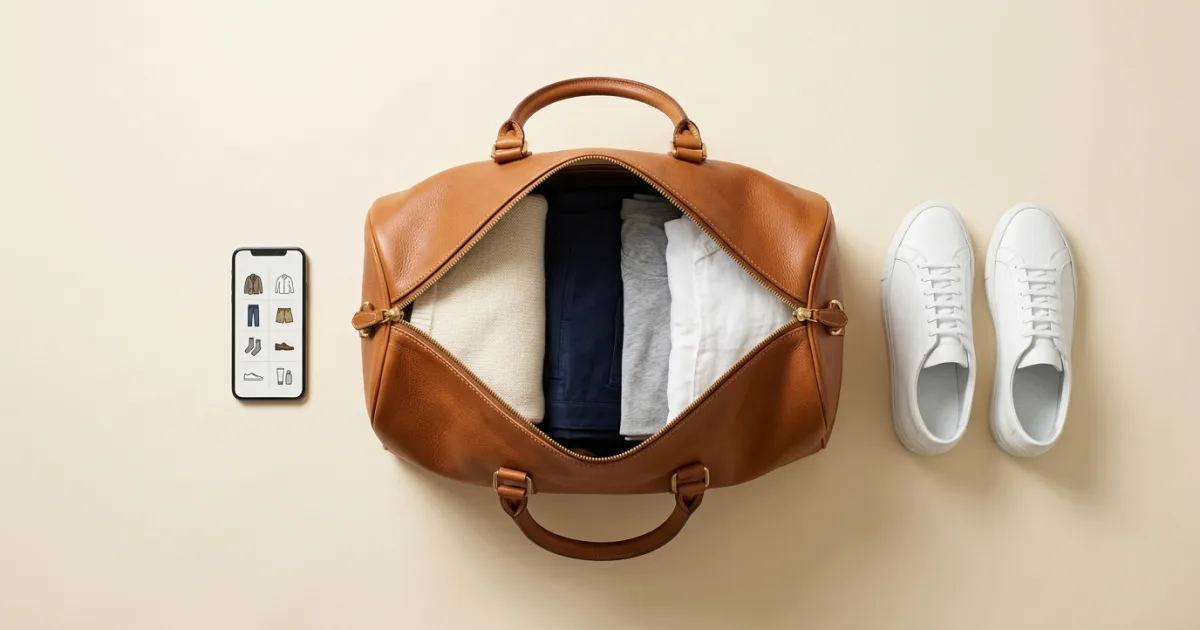
A rotation only works if you can see what is in it. Holding thirty pieces and their combinations in your head is the part that fails. Keep the rotation somewhere you can see it.
3. Pair each trial piece with reliable clothes rather than several unknowns
Pair each trial piece with clothes you already trust, so the test is about one unknown. Pairing two unknowns means you learn nothing when the outfit does not work.
4. Record comfort, care, and occasion problems after a real wear
Note what actually went wrong after wearing it: comfort, care, or nowhere to wear it. "Itchy at the neck" and "nowhere to wear it" are different problems with different answers.
5. Return useful pieces to circulation and release those that consistently fail
Keep the ones that worked and release the ones that failed the same way twice. Two failures for the same reason is enough evidence; a third wear will not change it.
Decide after a real wear
Once each piece has had a real wear, decide. Anything that failed twice for the same reason is not going to improve.
If a trial piece failed because something else was missing, write that function down instead of blaming the garment.
Frequently asked questions
How do you rotate clothes so everything gets worn?
Move worn items to one end of the rail and always pick from the other. It needs no tracking and surfaces the pieces you keep skipping, which is the actual information you want.
Does rotating clothes make them last longer?
Yes. Fabric recovers between wears, so spacing them out reduces pilling, stretching and odour build-up. It also spreads laundry wear, which is what actually degrades most garments.
How often should you rotate a wardrobe?
Continuously rather than on a schedule. A rotation that needs a calendar reminder stops within a month; one built into how you put clothes away maintains itself.
A rotation system falls apart the moment you stop tracking what has been worn, which is where most attempts end. Stop holding the rotation in your head by planning each piece into a day, so its wear count builds as you go without a spreadsheet.