How to Catalog Wardrobe Accessories
4 min read
Wdrobe

Knowing how to catalog wardrobe accessories starts with a clear outcome: visible shoes, bags, belts, and scarves connected to real outfits. An accessory catalog does not need to look like a perfect social-media system. The five steps below use the accessories that materially change current looks, clothes you already have, and a result you can test in daily life.
Define success before you begin
For an accessory catalog, write one sentence describing what the project should change. Add the limits that affect it: space, budget, climate, dress code, care tolerance, mobility, and available time. These constraints prevent the task from expanding until it becomes impossible to finish.
Choose one current problem within your accessory catalog rather than every possible improvement. If the result works during the accessories that materially change current looks, you can repeat the useful parts when the same need returns.
A five-step method
1. Start with shoes, bags, belts, and scarves that materially change outfits
Start with this boundary: start with shoes, bags, belts, and scarves that materially change outfits. Use the accessories that materially change current looks so the input is specific enough to finish. Record what is true now; shopping, discarding, and reorganizing at the same time will distort what you learn.
2. Photograph color, shape, hardware, scale, and useful texture clearly
Turn this instruction into a small, visible action: photograph color, shape, hardware, scale, and useful texture clearly. Apply one consistent standard to the items or information involved, and record only what will help later. A short note or photo is enough; consistency is more valuable than a complicated database you stop maintaining.
Accessories are the first thing left out of a catalogue and the thing most often forgotten while dressing. A belt you cannot picture does not get worn. Get the accessories in too.
3. Tag by function and formality instead of creating dozens of aesthetic labels
Test the result where it will actually be used: tag by function and formality instead of creating dozens of aesthetic labels. That may mean wearing a complete outfit, checking an image in the planner, following a care routine, or making a real comparison. If it fails, name the reason precisely so the next action addresses evidence rather than a vague feeling.
4. Connect accessories to complete outfits so the catalog informs decisions
Treat this step as a decision gate: connect accessories to complete outfits so the catalog informs decisions. Use the evidence already collected and try the least costly, most reversible solution first. Add a purchase or permanent rule only when the step identifies a specific need and a clear way to judge success.
5. Add jewelry only at a level of detail you will realistically maintain
Close the loop with the final instruction: add jewelry only at a level of detail you will realistically maintain. Save only the result that changes a future choice, a proven outfit, care action, storage home, purchase brief, or rule you can remember. Delete notes and tags that create work without helping the next decision.
Review the result, not the amount of work
Set a review point for your accessory catalog: after a week, several wears, one trip, or the end of a season. Ask what became faster, clearer, or less wasteful. Keep the part that changed a decision and simplify everything you did not use. A quiet system that preserves a few good answers is better than one that demands constant attention.
If the accessory catalog process produces a wishlist, state the missing function before a brand or product. Require a candidate to work with several owned pieces, then include care, alterations, and likely frequency in the cost. A specific use such as rain protection for a commute is more actionable than “better jackets.”
Frequently asked questions
Should you catalog accessories too?
Yes, and they are quicker than clothing because most are small and photograph flat. Accessories are also the pieces most often forgotten, which is exactly why cataloguing them changes outfits.
How do you organise accessories?
Group by type first, then by colour. Bags, belts, jewellery and scarves get chosen at different moments, so mixing them in one list slows every decision down.
Which accessories are worth cataloguing first?
The ones that change an outfit's formality, belts, a few bags and outerwear-adjacent pieces. Fine jewellery you wear daily does not need a record.
Accessories are the part of a wardrobe nobody catalogues, which is how the same belt gets bought twice. Stop leaving the belt out of the outfit and get the bags, belts and shoes on screen beside the clothes.
← All articles
Take Wdrobe with you
Enjoyed the read? Get the full virtual try-on experience — download Wdrobe on the App Store or Google Play.
Related articles
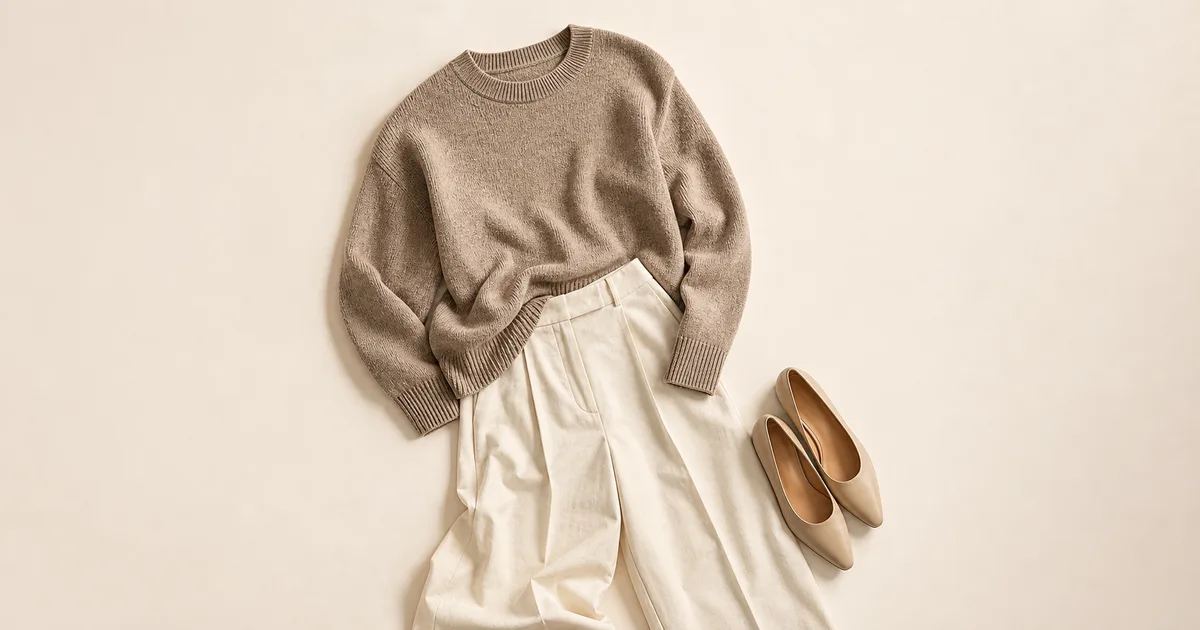
Use a five-step method for a wardrobe wishlist that stays grounded in your current wardrobe, schedule, climate, and actual decisions.
Read Article
Use a five-step method for an accessory catalog that stays grounded in your current wardrobe, schedule, climate, and actual decisions.
Read Article
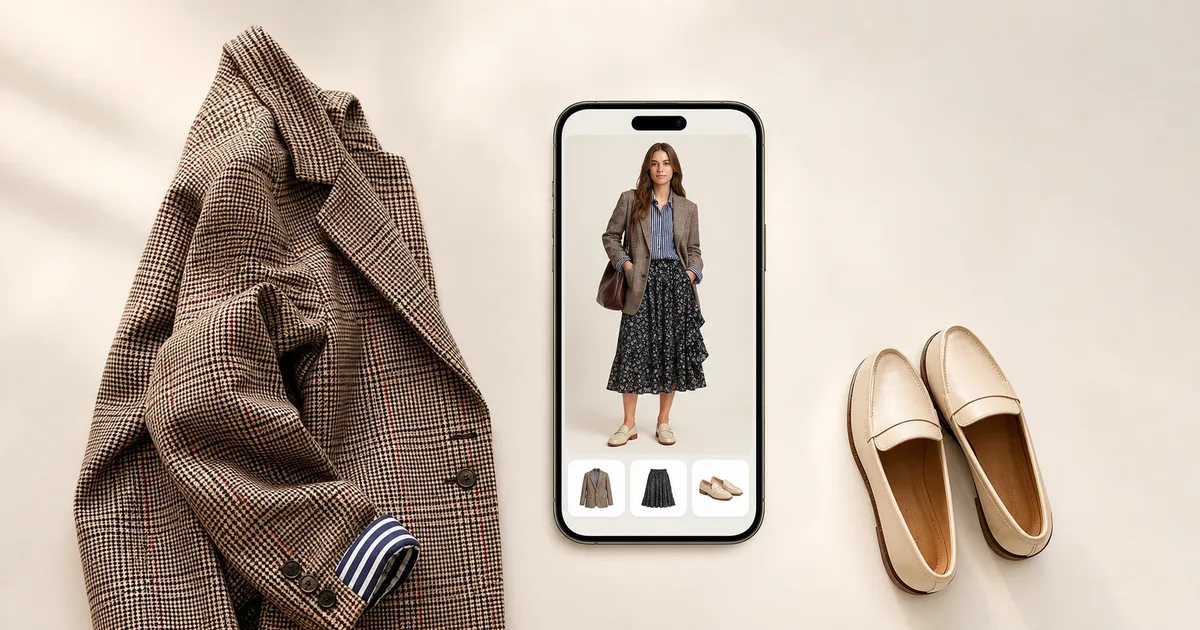
Use a five-step method for digital wardrobe packing that stays grounded in your current wardrobe, schedule, climate, and actual decisions.
Read Article