Outfit Color Combinations: What Goes With What
9 min read
Wdrobe

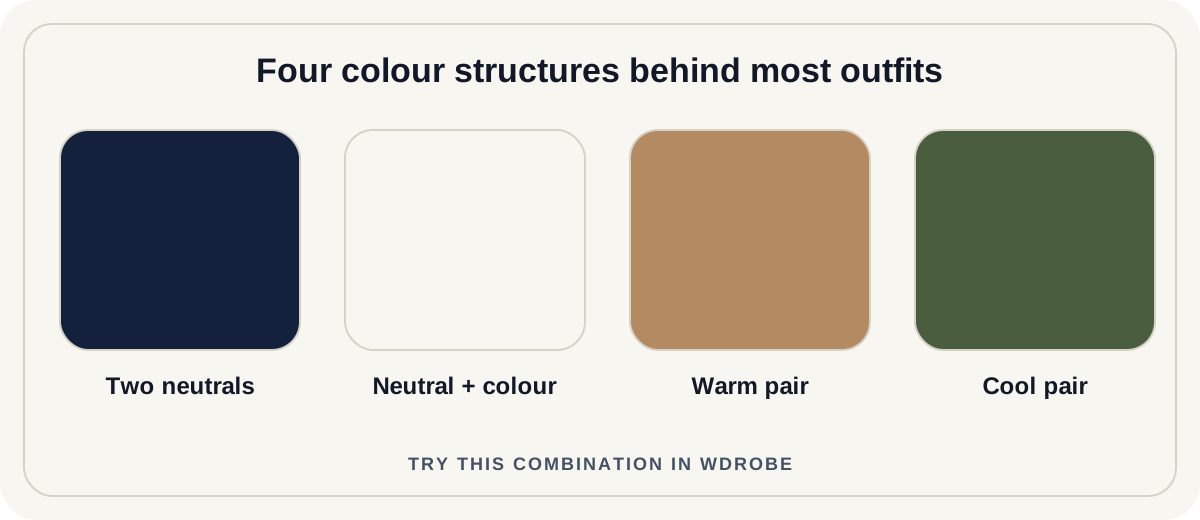
Almost every outfit that works is built on one of three colour structures: two neutrals, one neutral plus one colour, or two colours that share an undertone. Choose the structure first and the specific pairing gets much easier. This guide sets out what goes with what, colour by colour, including the combinations that hold up and the ones that quietly fight each other.
The three structures behind most outfits
Two neutrals. Cream with camel, charcoal with ivory, navy with white. Nothing competes for attention, so fit and fabric carry the outfit. This is the safest place to start on a morning when you have no patience for decisions.
One neutral plus one colour. The colour leads and the neutral supports it: a rust jumper with charcoal trousers, an emerald dress with tan heels, a mustard cardigan over a cream slip. Most work and weekend outfits live here.
Two colours that share an undertone. Both warm or both cool: rust with olive, dusty pink with grey, burgundy with navy. This reads as deliberate when the undertones agree and muddy when they do not, which is why the same pairing can look expensive on one person and off on another.
Start from the piece you already own
Work outwards from a garment in your wardrobe rather than from a palette you read about. Take it to a window and decide one thing: is it warm or cool? A cream that looks buttery is warm and wants camel, chocolate brown and olive. A cream that looks chalky is cool and sits better with grey, navy and true white. The same test settles beige, taupe, charcoal and every pink.
This is also where most colour advice falls apart in practice. You know navy goes with camel, but you cannot remember whether you own a camel knit that still fits, or whether your two navies are the same navy. Download Wdrobe and photograph the ten pieces you wear most, and you can hold any one of them against every possible partner before you get dressed.
Neutrals: the colours that go with the most
Neutrals earn their wardrobe space because they partner nearly everything, which is why a small number of them can carry a large number of outfits.
Black is the most flexible and the easiest to make look flat, so texture matters more than another colour does: see what colours go with black clothes. White is the sharpest contrast in the wardrobe and the fussiest about other whites, covered in what colors go with white clothes. Between them sit colors that go with gray clothes and the darker, more formal what colours go with charcoal grey clothes, which is the strongest of the four for office dressing.
On the warm side, what colours go with cream clothes and what colours go with beige clothing are the two most useful pages in this whole group, because cream and beige turn up in more wardrobes than any other non-black colour. Their close relatives each behave slightly differently: taupe colour combinations sit between warm and cool, what colors go with camel clothes lean rich and autumnal, and what colors go with tan is the lighter, more casual version of the same idea.
Browns have become a second black. Start with what colours go with brown clothes, then the deeper colors that go with chocolate brown clothes, and for the flattest, most practical neutral of the group, what colors go with khaki clothes.
Blues
Navy is the one to learn first, because it behaves like a neutral while adding colour: what colours go with navy clothes covers the twelve partners worth knowing. For lighter, warmer-weather versions, read what colours go with light blue clothes. The saturated blues need more care about proportion, which is the point of what colour goes best with cobalt blue and what colors go with royal blue. Blue-green sits slightly apart and pairs with more than people expect: what colours go with teal clothes.
Greens
Green is the family that most often gets left in the wardrobe, usually because the first attempt paired it with the wrong neutral. Colors that go with olive green is the most wearable starting point, followed by the softer colors that go with sage green clothes. For evenings and occasions, what colours go with emerald green clothing matters more than any other green, and what colours go with forest green clothes is its quieter winter equivalent.
Reds, pinks and purples
Red asks for restraint in proportion rather than in pairing, which what colours go with red clothes sets out. Its deeper versions are easier to wear all day: what colours go with burgundy clothes, what colour goes with maroon and what colours go with plum.
The pinks divide by saturation. What colours go with pink clothes covers the brighter end, while the muted shades that appear in most wardrobes are handled in what colour goes best with dusty pink and what colours go with blush pink. Purple works like a rich neutral once you stop treating it as a statement: what colours go with purple clothes.
Warm colours, rust through yellow
These are the colours that make an autumn wardrobe look considered, and the ones most likely to take over an outfit if the piece is too large. Colors that go with rust clothes is the most useful page here, with what colours go with terracotta and what colours go with burnt orange as its softer and brighter neighbours. For clear orange, see what colours go with orange clothes. The yellows are the hardest of the group and the most rewarding when they land: what colours go with mustard yellow clothes and what colours go with yellow clothes.
How much of each colour to wear
Pairing is only half of it. Proportion decides whether the same two colours look intentional or accidental.
Give one colour the largest surface, usually a dress, a coat or trousers. Give the second colour a clearly smaller job: a knit, a skirt, a bag. Then repeat the smaller colour once more somewhere else, in a shoe, a belt or jewellery, so it reads as a choice rather than a leftover.
Outfit formula: burgundy midi dress + charcoal cardigan + charcoal ankle boots + gold earrings.
Two mistakes account for most outfits that feel off. The first is a 50/50 split between two strong colours, which leaves neither in charge. The second is a single small accent that appears once, such as one red shoe colour with nothing else red in the outfit.
What to check before buying another colour
Check the undertone against two pieces you already own, not against the shop lighting. Check that you own shoes that work with it, because a colour with no matching footwear stays on the hanger. Check how many outfits it can join: a fifth cream top adds less than a first charcoal skirt.
This is the check Wdrobe was built for. Photograph the item in the shop or hold the product photo against your own wardrobe, and you can see whether the colour joins three existing outfits or none before you pay for it.
Frequently asked questions
What colours go with everything?
Charcoal grey, navy, cream and camel come closest. Each one partners both warm and cool colours, works across seasons and reads as smart or casual depending on the fabric. Black and white partner nearly everything too, but both are fussier: black flattens without texture, and white clashes with other whites.
What colours go with navy clothes for ladies?
Camel, cream, white, burgundy, blush pink and light grey are the most useful for a women's wardrobe, because they work across dresses, knitwear and tailoring rather than only with jeans. A navy dress with camel heels and a cream coat is the simplest version. A navy skirt with a blush knit is the softer one.
Can you wear two colours from the same family together?
Yes, as long as the shades are clearly different or the fabrics are. Two mid browns in similar fabric look like a failed match; espresso brown with camel, or a chocolate knit with tan suede, looks deliberate.
Which colour combinations look the most expensive?
Combinations built from one colour family with a real difference in texture: cream with camel, charcoal with ivory, navy with soft grey. Nothing shouts, so cut and fabric get the attention.
If you want to go one level deeper on proportion and layering, our guide to the best virtual try-on apps covers how to test a combination on your own photo before you commit to it.
See your own colour combinations before you get dressed
Knowing that navy goes with camel is the easy part. The harder part is standing in front of a wardrobe at eight in the morning trying to remember which camel piece you own, whether it still fits, and whether it sits next to the navy skirt or the navy trousers. Wdrobe puts your own clothes on screen so you can build a combination from this guide out of pieces you actually have, then save the ones worth repeating. Download Wdrobe and start with the colour you own the most of.
← All articles
Take Wdrobe with you
Enjoyed the read? Get the full virtual try-on experience — download Wdrobe on the App Store or Google Play.
Related articles
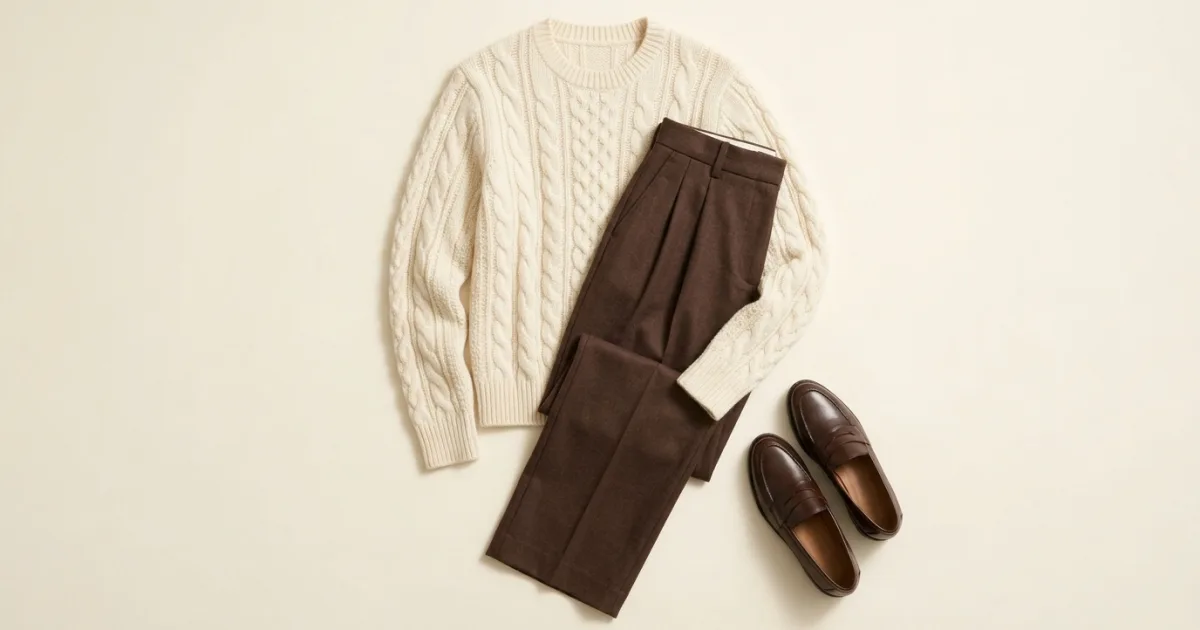
Ten colours that work with ivory, each with an outfit formula, plus how ivory differs from cream and white.
Read Article
The three colour structures behind most outfits, then what goes with what across neutrals, blues, greens, reds and the warm colours.
Read Article
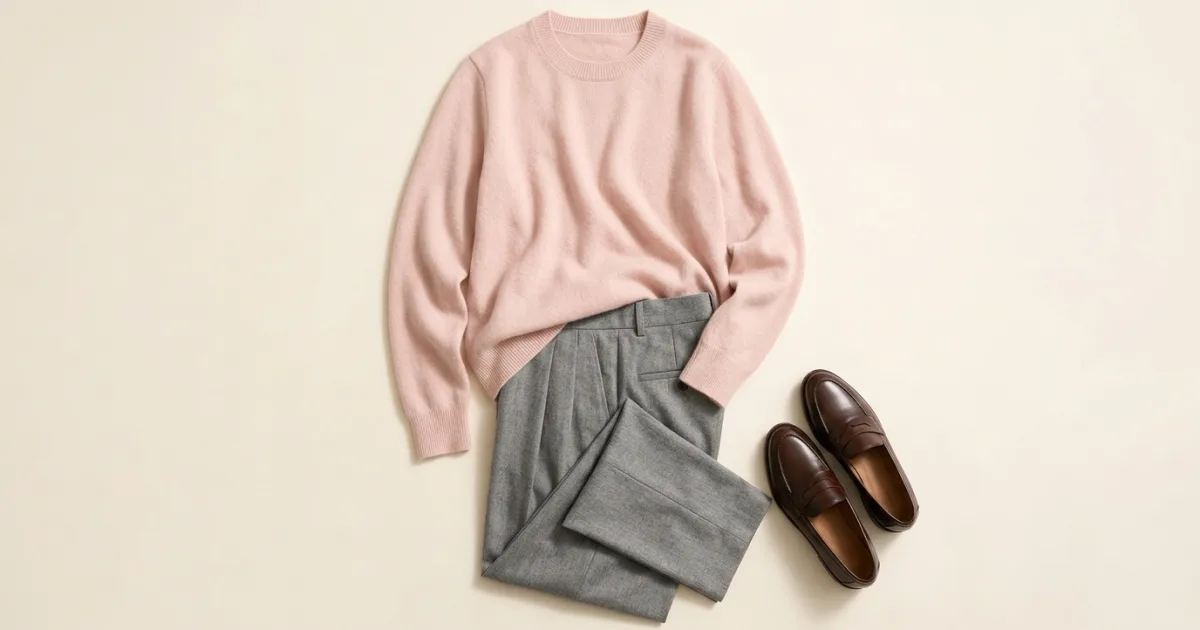
Ten colours that work with blush pink, each with an outfit formula, plus how to tell a warm blush from a cool one.
Read Article