ChatGPT Color Analysis: How Accurate Is It?
7 min read
Wdrobe
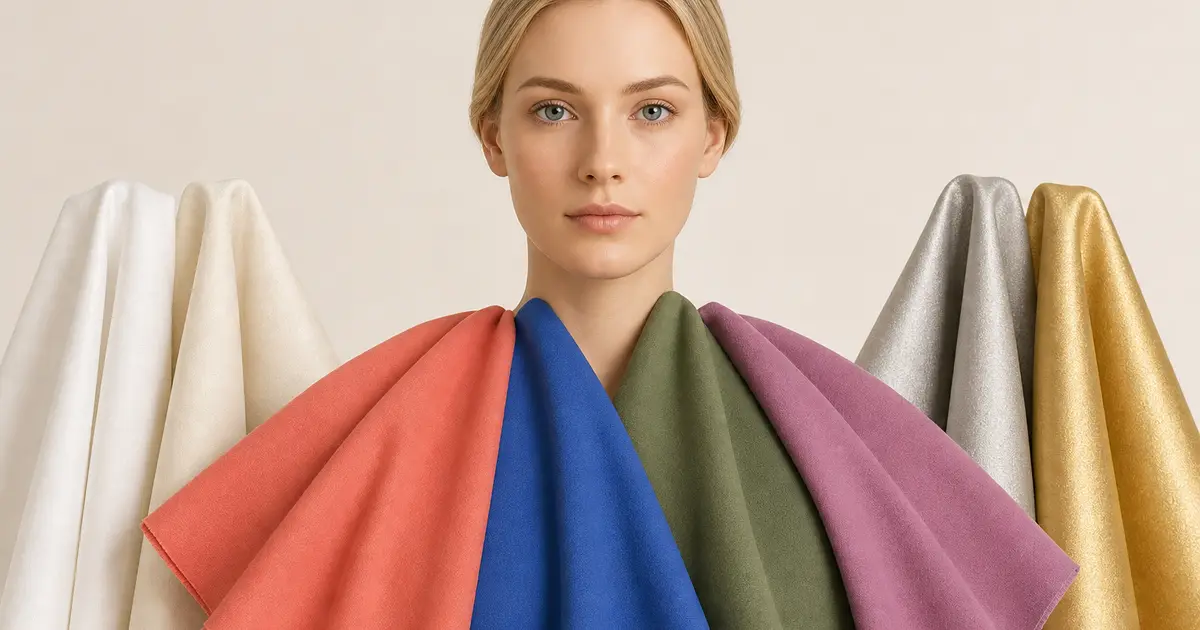
ChatGPT gives a plausible colour analysis and an inconsistent one. Upload a selfie and it will name a season, explain the reasoning in clear language, and suggest shades, which is more than most people get anywhere else. Ask again in a new chat with a different photo and the answer often changes, because it is reading the lighting in your picture as much as your colouring, and it keeps no record of what it said last time.
That makes it a decent way to learn the vocabulary and a poor way to settle the question. The useful follow-up is not a better prompt, it is testing the shades against clothes you actually own, which is what Wdrobe, our app, is built for.
What it gets right
Give it its due. A chatbot is genuinely good at three parts of this:
Explaining the system. Warm against cool, how value and contrast work, why one person suits ivory and another suits optic white. The twelve-season framework is confusing and it explains it well.
Giving you language. Once you know your own contrast level and undertone as words, you shop differently. That vocabulary is the real prize and it hands it over in one conversation.
Sanity-checking a shade. Ask whether a particular mustard sits warm or cool and you get a sound answer, because that is a question about the colour, not about you.
Where it goes wrong
Your photo is mostly lighting
A colour read depends on undertone, and undertone is exactly what a camera distorts. Warm indoor bulbs push everyone olive. Daylight through a window is cooler on one side of your face than the other. Any beauty filter, including the ones that are on by default, smooths and shifts skin tone before the image is ever uploaded. The chatbot is reading all of that as if it were you.
The answer moves
Run the same question in three chats with three photos and you can get three seasons. There is no stored read to be consistent with, so each answer is produced fresh from whatever that image happened to show. A result you cannot reproduce is not a result.
It cannot check against your wardrobe
This is the part that actually costs you. Being told you are a soft autumn is interesting. Knowing whether the olive jumper already in your wardrobe is the right olive, or whether your two camels pull in different directions, is the thing you needed. A chat has never seen either.
It sounds equally certain either way
The tone does not change between a confident read and a guess. That is worth knowing before you rebuild a wardrobe around the answer.
A season is a shortlist, not a verdict. The question that follows it is whether the greys and camels already hanging up fall inside it, and that one needs the actual clothes. Check the shades against your own wardrobe.
How to get a more reliable read
Whatever tool you use, the photo decides most of the outcome.
Daylight, indirect. Face a window, do not stand in direct sun. Avoid overhead bulbs entirely.
No filter, no makeup, hair back. Every one of those changes the measurement.
Plain background, neutral top. A red jumper throws warmth onto your jaw and skews the read.
Take three, not one, at different times of day. If the answer holds across all three, trust it. If it does not, your lighting was doing the talking.
Wdrobe runs colour analysis from a face photo and keeps the result on your profile, along with a body shape read, so outfit suggestions use it instead of asking you again. It does not change between conversations, which is the practical difference.
The test that settles it
Theory only goes so far. Pull four pieces out of your wardrobe that you already know suit you, the ones people compliment. Then four you own and never wear. Look at what the first group has in common: undertone, depth, how much contrast they carry against your skin.
That pattern is your colour analysis, arrived at from evidence rather than from a photograph of a lightbulb. Any season name worth having should agree with it. Where a stored read helps is afterwards, holding a new piece against the group that already works.
The clothes you reach for already voted. Lining them up next to each other is faster than any quiz, and it uses pieces you have proof about. Put the four that work in one place.
Turning a colour read into outfits
A season on its own does not get anyone dressed. What makes it useful is the pairing, so take the shades you landed on and work out what each one goes with. The neutral bases do most of the work in a real wardrobe: start with outfit colour combinations for the full map, then the individual bases you own most of.
Cool, higher contrast: what colours go with navy clothes and colours that go with charcoal grey.
Warm, softer contrast: colours that go with cream and colours that go with beige.
Work from the base colours you already own the most of. A season that tells you to wear shades you have none of is a shopping list, not a wardrobe.
Frequently asked questions
Is ChatGPT colour analysis accurate?
It is roughly right about colour theory and unreliable about you specifically, because the lighting and any filter in your photo affect the result more than your undertone does. Ask it in three separate chats with three photos and compare how much the answer moves.
Can AI tell what colours suit me from a photo?
It can give a direction. Any photo-based read, by any tool, depends heavily on daylight, no filter and a neutral top. Treat the result as a shortlist to test against clothes you own rather than a fixed category.
What colours suit me if I have a cool undertone?
Cooler bases usually read best: navy, charcoal grey, true white, cool pinks and blue-based reds. The reliable way to confirm it is the four-piece test above. There is more detail in what colours suit you.
Should I pay for a professional colour analysis?
Only after the four-piece test above tells you something. Spend an evening finding the four pieces that already work and the four that never do, and you will know whether the question is worth taking further.
Does my season mean I cannot wear other colours?
No. It describes which shades flatter you most directly next to your face. Colours outside it work further from your face, or in smaller amounts as an accent.
If you are weighing a chatbot against a wardrobe app more generally, see ChatGPT as a personal stylist, and for the prompts that get the most out of a chat, see ChatGPT outfit prompts.
Knowing your season is the easy half. The harder half is standing in front of a full wardrobe and working out which of these clothes actually belong to it, and whether the two greys you own are the same grey. Wdrobe keeps your colour read and your clothes in the same place, so you can hold a piece against the shades that suit you instead of guessing in the morning. See which of your clothes fall inside your palette.
← All articles
Take Wdrobe with you
Enjoyed the read? Get the full virtual try-on experience — download Wdrobe on the App Store or Google Play.
Related articles
Forty degrees is the coat threshold. Here is the order to dress in, five outfits, and the indoor problem most people forget.
Read Article
A chatbot explains colour theory well and reads your own colouring inconsistently. How to get a reliable answer and turn it into outfits you own.
Read Article

A chatbot can draw an outfit but cannot keep you or the garment recognisable. What separates that from a real try-on, and what no preview can promise.
Read Article