ChatGPT as a Personal Stylist: What It Can and Cannot Do
8 min read
Wdrobe
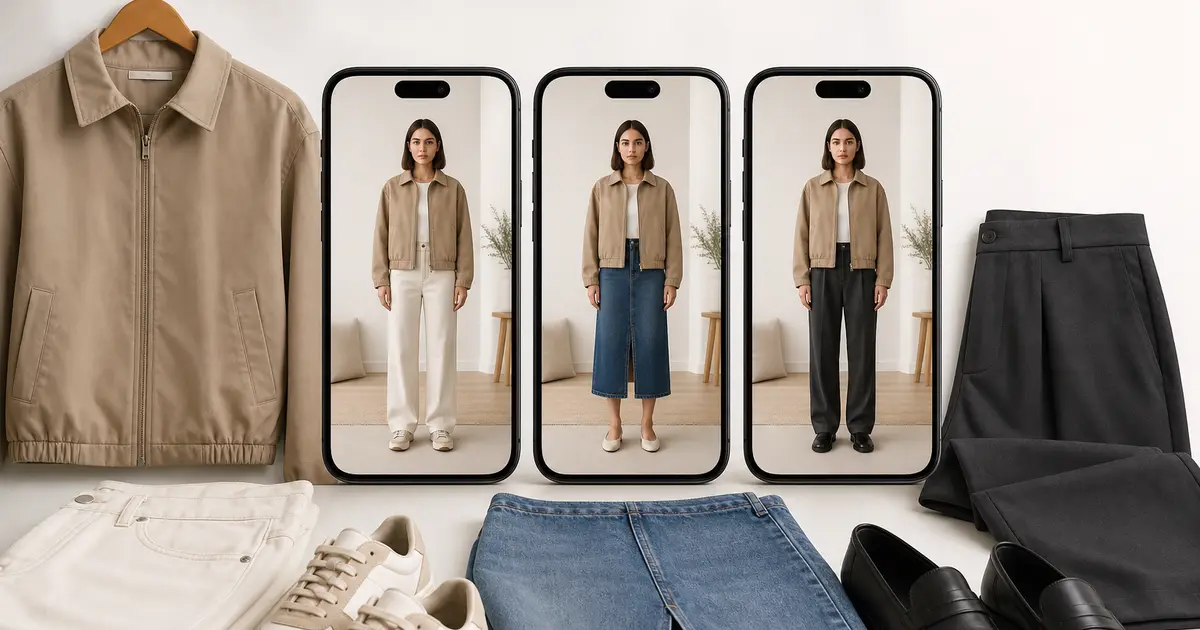
ChatGPT works as a personal stylist for general questions and falls down on daily outfits. It can name an aesthetic from a photo, explain why a combination works, and suggest pieces to look for. It cannot see your wardrobe, remember it between conversations, or show a suggested outfit on your body, which is most of what getting dressed actually needs. Wdrobe, which is our app, is built for that second half: your real clothes, your colouring, your weather, and the outfit on your own photo.
If your questions are about style in the abstract, a chatbot is a good answer. If your question is "what do I wear tomorrow, from what is hanging in my wardrobe", it is the wrong tool and no amount of prompting fixes it.
What ChatGPT is genuinely good at
Give it credit where it earns it. Four things it does well:
Naming a style from a picture. Share an outfit you like and it will tell you what the look is called and which details carry it: the trouser width, the shoe shape, the colour temperature. That vocabulary is useful, and most people do not have it.
Explaining the why. Ask why a navy blazer reads sharper with charcoal trousers than with black and you get a real answer about undertone and contrast, not a rule to memorise.
Occasion advice. Dress codes, what "smart casual" means at a particular kind of venue, what travels well. It is well read on this and it answers quickly.
Shopping research. If you have decided you need a mid-length wool coat, it is a fast way to narrow down cuts, fabrics and what to check on the label.
None of that is small. It is the part of styling that lives in general knowledge.
The four things it cannot do
Each of these is structural, not a bug that a better prompt solves.
It does not know what you own
A chat starts empty. You can describe your wardrobe, and people do, in long paragraphs. But a described wardrobe is a summary written by someone standing in front of a full cupboard who has already forgotten half of it. The advice that comes back is about the clothes you remembered, not the clothes you have.
It cannot show the outfit on you
It can produce a picture of an outfit. That picture is an illustration: a generated body in generated clothes. It is not your olive jumper on your shoulders at your height. For anyone who struggles to picture a combination, that is the exact gap that mattered.
It points outward, not inward
Ask a chatbot to help you recreate a look and the answer usually ends with pieces to go and buy. That is a reasonable default for a general assistant. It is the opposite of what most people want from a wardrobe tool, which is to wear more of what they already paid for.
Nothing persists
Your colouring, your proportions, the two navies you own that do not match, your local weather, the wedding in three weeks. You supply all of it every time, or the advice ignores it.
You can describe a jumper, but you cannot describe a shade. Two camels that sound identical typed out can clash in daylight, which is the problem you went looking for help with in the first place. Hold the two side by side instead.
Where Wdrobe is different, point by point
This maps onto the four gaps above.
It holds your actual wardrobe. You photograph your clothes once, with the background removed automatically, and they stay there. Suggestions come from items you own, not from a description you typed from memory.
It puts the outfit on your photo. Virtual try-on works on your own image, including clothing photos from a shop page or a Pinterest look, so you can test an idea before you commit to it. It is a styling preview, not a promise of fit or fabric.
It knows your colouring. Colour analysis from a face photo gives you the shades that tend to suit you, and a body shape read on top of that. Both stay attached to your profile instead of being retyped.
It builds for tomorrow, not for the abstract. The AI stylist uses your local weather and lets you pin a piece you want to wear, then builds around it. There is an outfit planner for the week and for events.
It runs on iPhone and Android.
Head to head
Job | ChatGPT | Wdrobe |
|---|---|---|
Name a style from a photo | Yes | No |
Explain styling theory | Yes | No |
Suggest outfits from clothes you own | No | Yes |
Remember your wardrobe | No | Yes |
Show the outfit on your own photo | No | Yes |
Colour and body shape read | Describes only | From your photo |
Weather-aware daily outfit | No | Yes |
Shopping research across the web | Yes | No |
The honest reading of that table is that they are not really competitors. One is a well-read friend who has never seen your cupboard. The other is the cupboard, organised.
Which one to use, and when
"What is this aesthetic and how does it work?" ChatGPT.
"What do I wear tomorrow?" A wardrobe app, every time.
"Does this shop photo suit me?" A try-on app, because the answer depends on your body and your colouring.
"Which coat should I buy?" Start with ChatGPT for the research, finish by checking the shortlist against what you already own.
"Why do I keep wearing the same five things?" Neither, until your clothes are visible in one place. See why you wear the same five outfits.
Test it yourself with fifteen pieces
The fastest way to see where the line falls: photograph your fifteen most-worn items. Five tops, four bottoms, two layers, three pairs of shoes, one bag. Then ask both for the same three things.
An outfit for tomorrow's weather.
A smart-casual outfit you have not worn before.
Something to do with your least-worn item.
The chatbot will answer all three sensibly and generically. The app will answer them with clothes you can go and put on. That difference is the whole argument, and fifteen pieces is enough to see it.
The second answer is the one you can act on tonight. Give it your fifteen and compare the two replies side by side.
Frequently asked questions
Can ChatGPT be my personal stylist?
For general style questions, yes. For daily outfits it cannot, because it does not store your wardrobe and cannot see what a garment looks like on you. Most people get the best result using a chatbot for research and a wardrobe app for getting dressed.
Can ChatGPT see my clothes?
Only the photos you upload in that conversation, and only for as long as the conversation runs. It does not build a catalogue of your wardrobe, so the next chat starts from nothing again.
Is there an AI stylist for women that remembers my wardrobe?
Yes. Wdrobe keeps your clothes, your colour analysis and your body shape read on your profile, so outfit suggestions come from real pieces. Several other wardrobe apps store your items too, compared in the best AI stylist apps.
Can ChatGPT tell me what colours suit me?
It can describe colour theory and guess from a photo in that chat, but it has no stored read on your colouring and will not be consistent between conversations. See ChatGPT colour analysis for how the two approaches compare.
Which is better for shopping?
ChatGPT is better for narrowing down what to look for. A wardrobe app is better at the last question before you pay, which is whether the thing works with clothes you already have.
If the question is whether a chatbot can show you an outfit at all, read can ChatGPT do virtual try-on, and for the prompts worth using when you do ask one, see ChatGPT outfit prompts.
A chatbot leaves you holding good advice about clothes it has never seen. The work it hands back to you is the hard part: remembering which of those pieces you own, in a shade that works, in something that fits. Wdrobe does that half, with your wardrobe on screen and the suggested outfit on your own photo. Build tomorrow's outfit from what you already own.
← All articles
Take Wdrobe with you
Enjoyed the read? Get the full virtual try-on experience — download Wdrobe on the App Store or Google Play.
Related articles
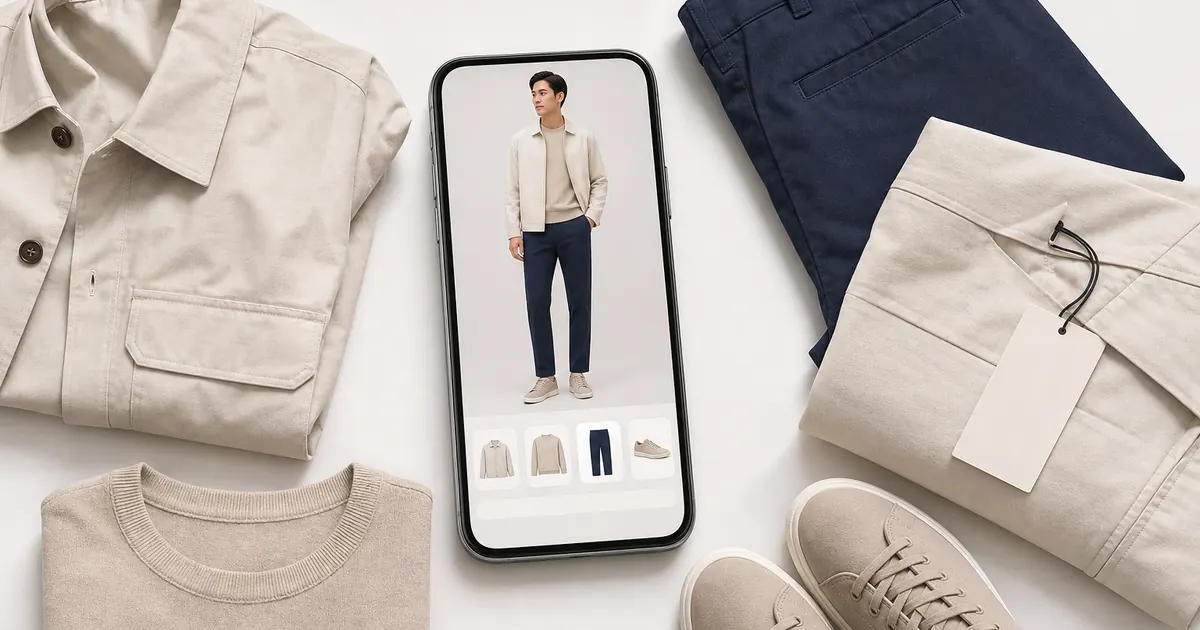
A chatbot can draw an outfit but cannot keep you or the garment recognisable. What separates that from a real try-on, and what no preview can promise.
Read Article
A chatbot answers style questions well and daily outfit questions badly. Here is exactly where the line falls, and how to test it with fifteen pieces.
Read Article
Seven outfits that photograph well and still work after a large meal, whether you are cooking, visiting or at Friendsgiving.
Read Article