How to Transition Your Wardrobe Between Seasons
4 min read
Wdrobe
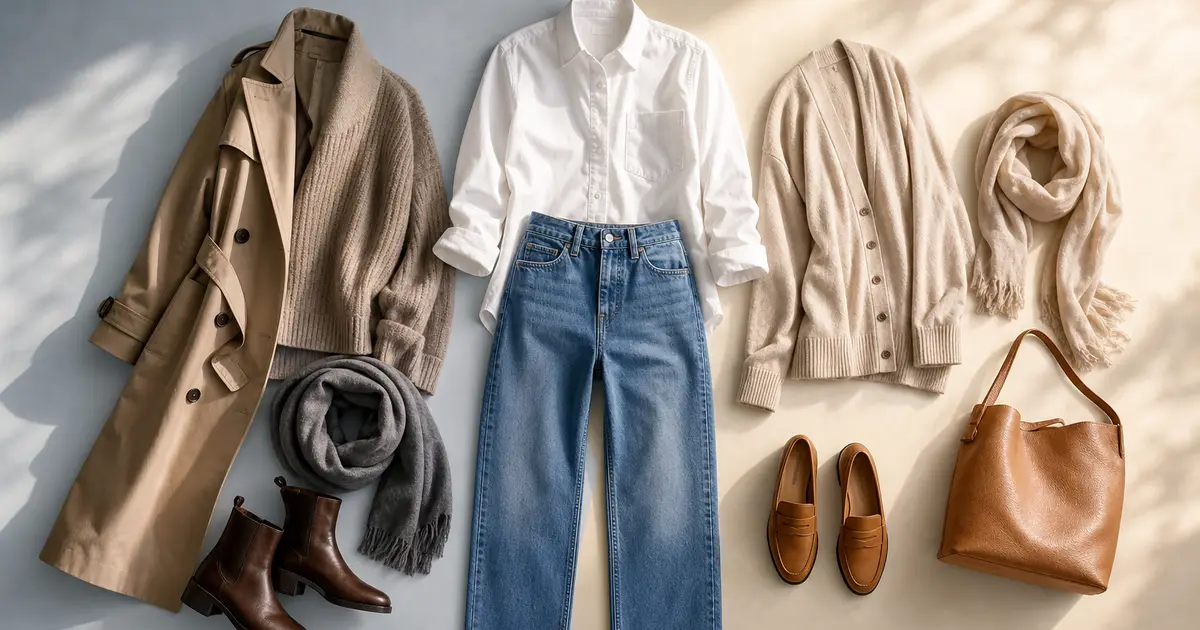
Transitioning a wardrobe between seasons is mostly a layering and access
problem. Keep the dependable base pieces visible, change the weight of layers
and shoes gradually, and store only clothes that are clearly wrong for the next
four to six weeks. You do not need a new “seasonal wardrobe.”
In the changeover weeks, Tuesday wants sandals and Thursday wants boots. The Wdrobe app's stylist reads each day's forecast and builds outfits from what you own. Match tomorrow's layer to tomorrow's weather.
Start with the shared middle
Identify clothes that work across temperatures: shirts, tees, jeans, trousers,
midi skirts, light knits, cardigans, overshirts, loafers, and sneakers. Put them
in the easiest-to-reach area.
These pieces become the base while coats, boots, sandals, and heavy or very
light fabrics rotate around them.
Use a three-layer system
Think in:
base: shirt, tee, dress, or fine knit;
adjustable middle: cardigan, overshirt, blazer, or light knit; and
weather layer: trench, rain shell, coat, or insulated jacket.
On unpredictable days, the middle layer should fit inside a bag or remain
comfortable indoors.
Change color through fabric, not shopping
Seasonal palettes are optional. A burgundy shirt can work in spring with cream
trousers; pale blue can work in fall under charcoal wool. The weight and texture
often communicate season more than the color.
For fall, add wool, leather, denim, and richer layers. For spring, use cotton,
linen blends, lighter knits, and more visible skin or open footwear as weather
allows.
The awkward fortnight between seasons is a combination problem, not a shopping one. Summer pieces plus one autumn layer usually covers it. Find the overlap outfits.
Rotate shoes last and outerwear first
Outerwear responds immediately to temperature and rain, so make several weights
available early. Shoes can transition more slowly: loafers and sneakers bridge
many weeks between boots and sandals.
Clean and repair items before storage. Store only dry clothes, and note repairs
needed so next season does not begin with a surprise.
Create five transition formulas
Build and save:
warm day with a light layer;
cool morning and warm afternoon;
rain;
unexpectedly cold day; and
one polished occasion.
Use the same base garment in several formulas. A white shirt and jeans can take
a trench and boots, a cardigan and loafers, or an overshirt and sneakers.
For more cold-weather combinations, see the
fall layering guide.
Review after two weeks
Notice which stored items you retrieved and which visible clothes became
irrelevant. Adjust access before assuming there is a shopping gap.
Save both weather versions
Wdrobe can help you compare the same base outfit with lighter and warmer layers,
then keep the right version ready for the forecast.
Frequently asked questions
How do you transition a wardrobe between seasons?
Change layers rather than whole outfits. Most summer pieces work into autumn under a knit or jacket, and the transition is mainly about footwear and outerwear.
When should you swap your seasonal wardrobe?
When the weather has actually changed for two consecutive weeks, not by calendar date. Swapping too early means retrieving things you packed away.
Should you store off-season clothes?
Only if space forces it. Seeing your whole wardrobe makes better outfits possible, so store the genuinely unusable, heavy coats in summer, and leave the rest accessible.
The transition stalls because half the wardrobe is stored and the other half is unsuitable, so nothing gets decided. See both halves in one place and work out what actually needs to come out.
← All articles
Take Wdrobe with you
Enjoyed the read? Get the full virtual try-on experience — download Wdrobe on the App Store or Google Play.
Related articles
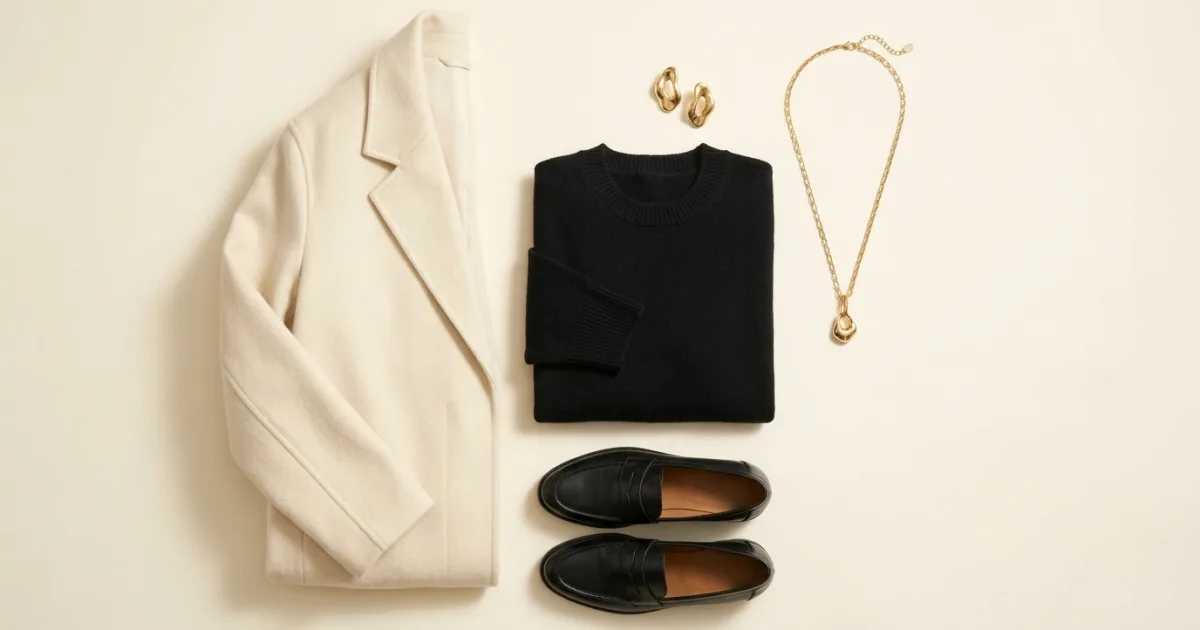
Gold behaves like a warm neutral with a light source in it. Here is what it sits beside, and the outfits that use it well.
Read Article
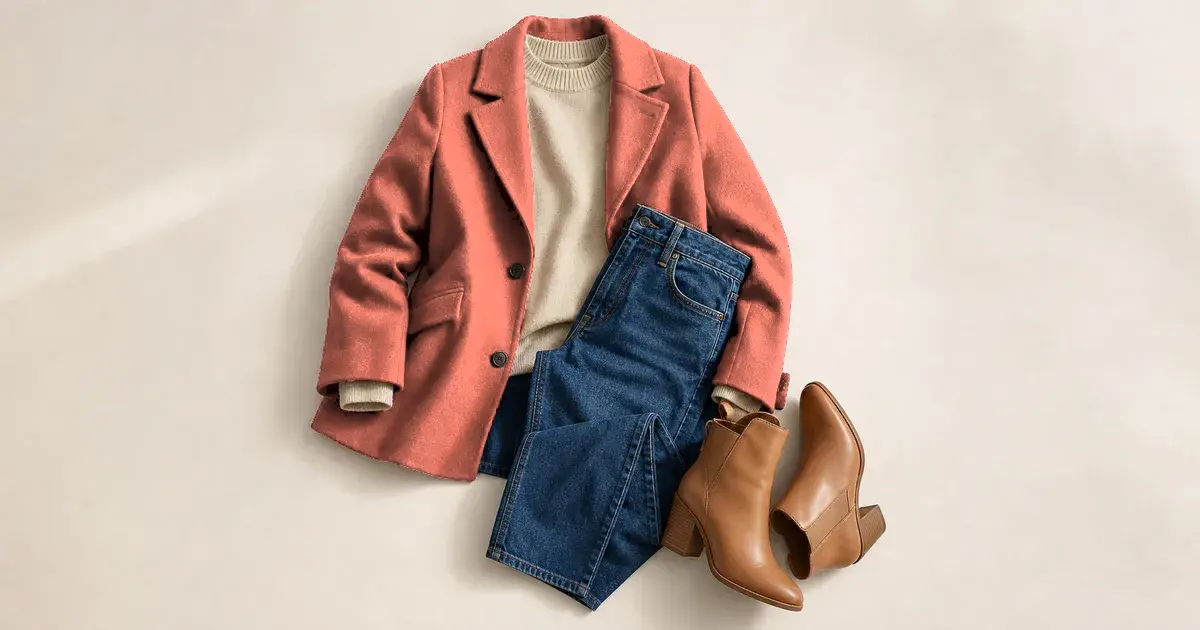
Ten colors that work with coral clothes, and how to tell coral apart from salmon and rust when you are buying.
Read Article
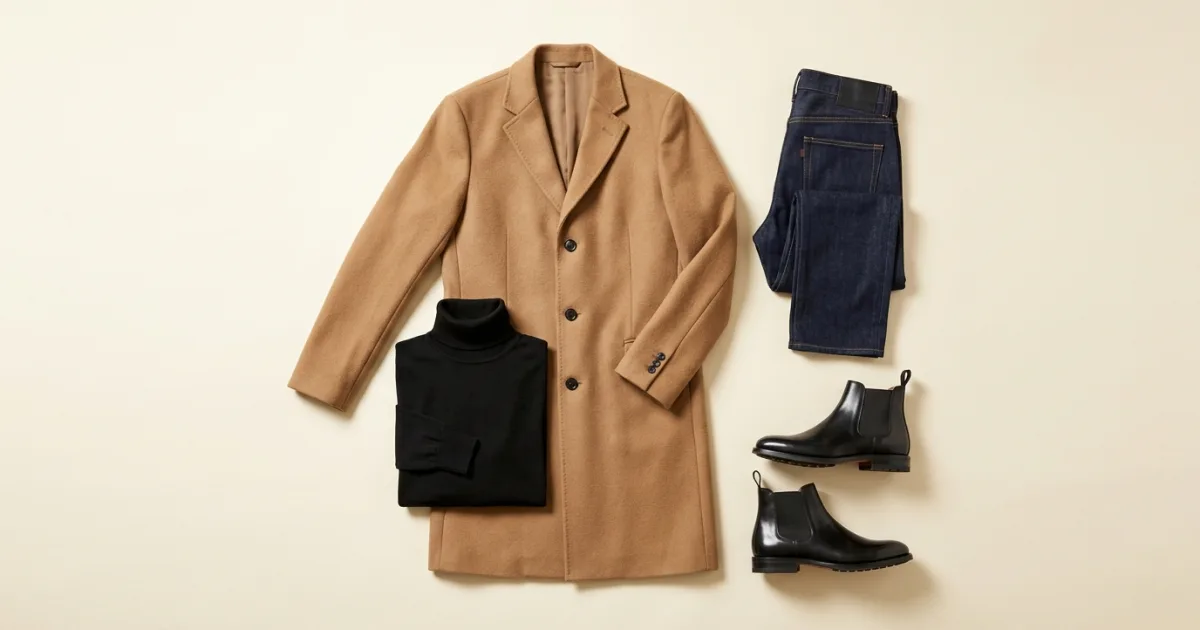
Forty degrees is the coat threshold. Here is the order to dress in, five outfits, and the indoor problem most people forget.
Read Article