Wardrobe Decluttering: Keep, Donate, or Sell?
4 min read
Wdrobe

A useful wardrobe decluttering framework separates four questions: Is the item wearable? Do
I use it? Is it worth selling? Can someone else use it? The keep, donate, and
sell framework prevents one emotional pile from stopping the whole process.
The repair-or-decide box tends to fill with pieces in a color that never quite worked on you. The Wdrobe app's color analysis, taken from a selfie, lets you sort that box by what suits your face.
Prepare four zones
Create areas for keep, repair or decide, donate, and sell. Use boxes or separate
parts of a room; do not rely on a single floor pile.
Work one category at a time, starting with something emotionally easy such as
everyday tops. Occasionwear and sentimental pieces can wait.
Keep: it serves your current life
Keep an item when it:
fits and feels comfortable now;
suits your present climate and routines;
is worn or has a clear recurring occasion;
works with other clothes;
is in usable condition; and
would be chosen again.
“Keep” does not require frequent wear for every category. A winter coat or
formal outfit has a different schedule from a T-shirt.
Donate: useful, clean, and not worth selling
Donate clothes that are wearable and appropriate for the receiving
organization but have low resale value or are not worth the time required to
list. Follow local donation guidance. Do not donate stained, broken, or unsafe
items simply to avoid disposal.
Wash items, empty pockets, and package matched pieces together.
Most things get kept because nobody can remember what they go with. Seeing a piece in two finished outfits answers keep-or-cut faster than any rule. Check what each piece goes with.
Sell: enough value to justify the work
Sell a piece when its likely net return is worth photographing, measuring,
describing, messaging, packing, fees, and shipping. Check recent sold prices,
not optimistic asking prices.
Set a deadline. If the piece has not sold after a defined period and the price
is realistic, reduce it, consign it, or donate it.
Repair or decide: use a short deadline
This zone is for fixable favorites, uncertain fit, and emotionally difficult
items. Assign a next action and date: book the alteration, try three outfits,
store sentimental pieces properly, or release the item.
A permanent “maybe” box is delayed clutter.
Review the gaps after the clothes leave
Do not shop immediately. Wear the edited wardrobe for two weeks. You may
discover that fewer visible clothes make combinations easier and the apparent
gap disappears.
For a structured digital inventory, see the
digital wardrobe guide.
Save what remains
Wdrobe can help you catalog the working wardrobe, make outfits with underused
keepers, and see whether a “maybe” item has a real role.
Frequently asked questions
How do you decide what to keep when decluttering a wardrobe?
Keep what you have worn in the past year, what fits your body now, and what combines with at least two other things you own. Anything failing all three is taking up space rather than earning it.
Should you sell or donate old clothes?
Sell items with brand value or in excellent condition, donate the rest. Listing low-value items usually costs more time than it returns, and unsold listings keep the clothes in your home indefinitely.
What if you might need it again?
Box it, date the box, and revisit in six months. Anything you have not reached for by then is safe to release, and the delay removes the anxiety that stops most decluttering.
The hardest part of decluttering is judging duplicates, and duplicates are invisible when clothes are spread across drawers and rails. Decide keep or cut with evidence to see everything grouped and spot the four near-identical items before you decide.
← All articles
Take Wdrobe with you
Enjoyed the read? Get the full virtual try-on experience — download Wdrobe on the App Store or Google Play.
Related articles
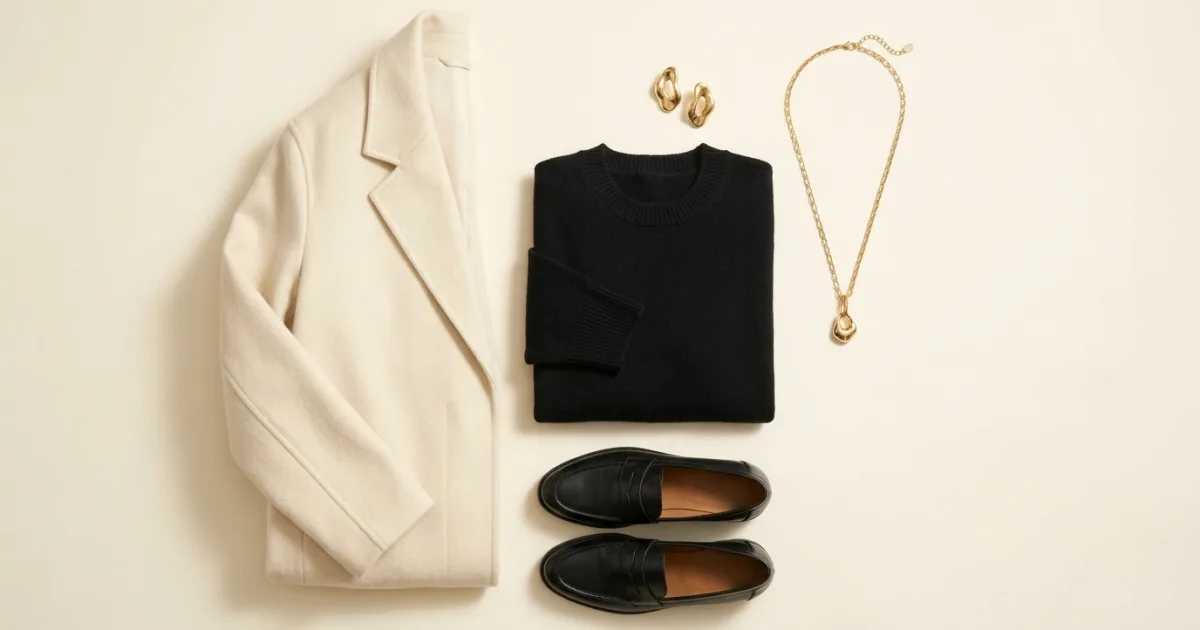
Gold behaves like a warm neutral with a light source in it. Here is what it sits beside, and the outfits that use it well.
Read Article
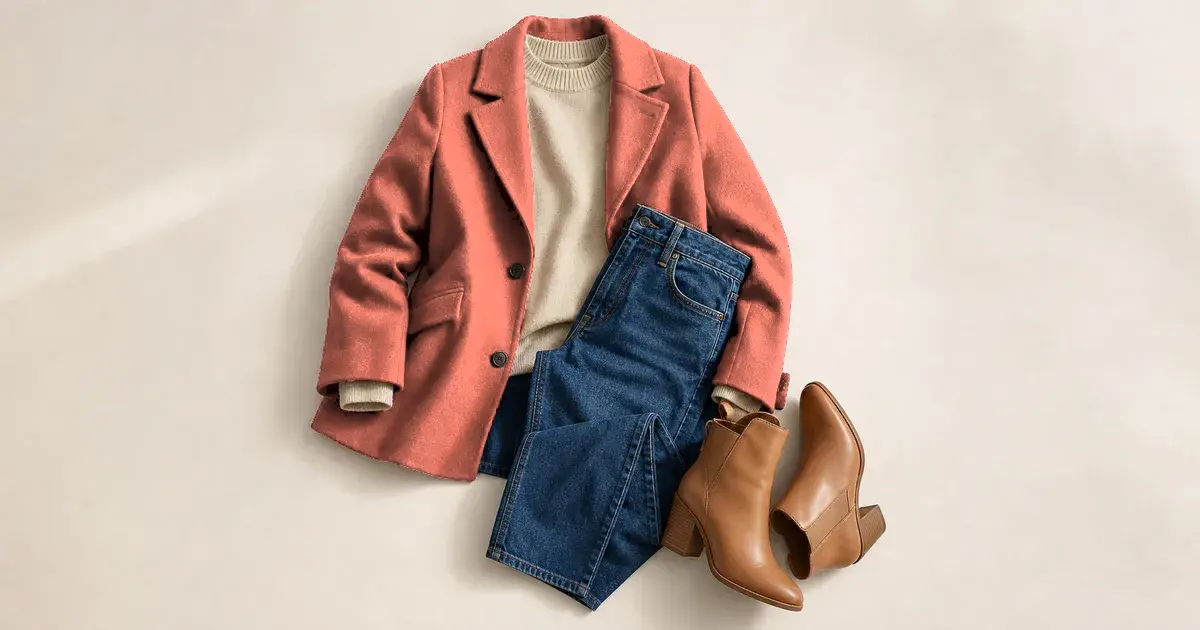
Ten colors that work with coral clothes, and how to tell coral apart from salmon and rust when you are buying.
Read Article
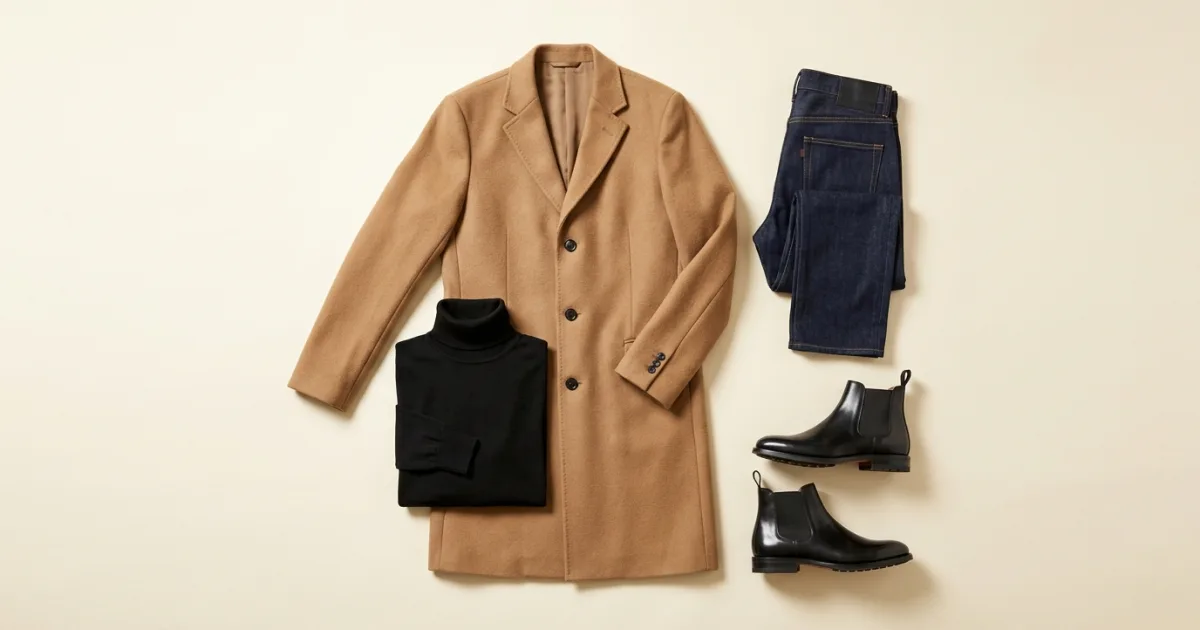
Forty degrees is the coat threshold. Here is the order to dress in, five outfits, and the indoor problem most people forget.
Read Article